The area
A shrine forest and a fashion capital
The emperor who opened Japan
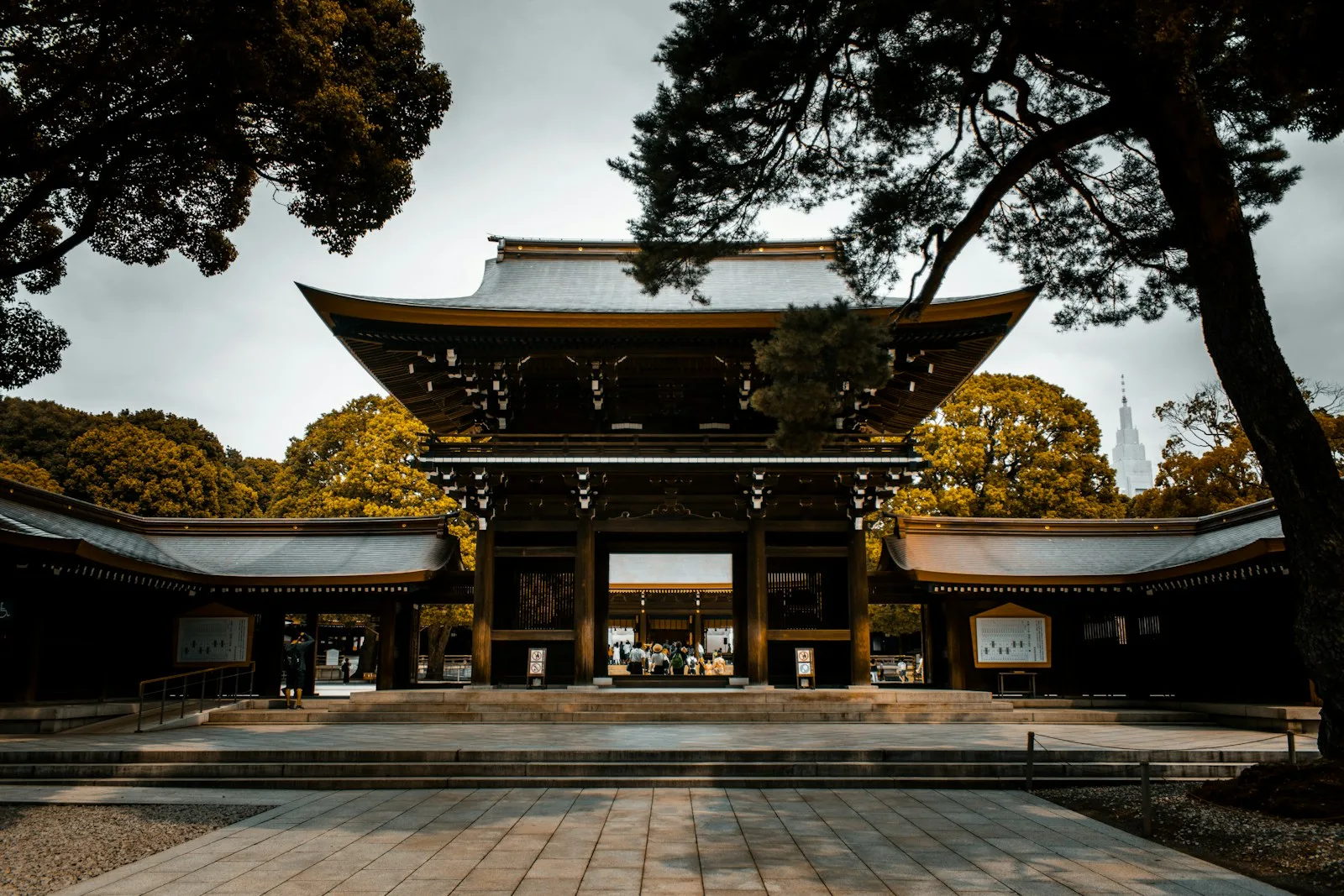
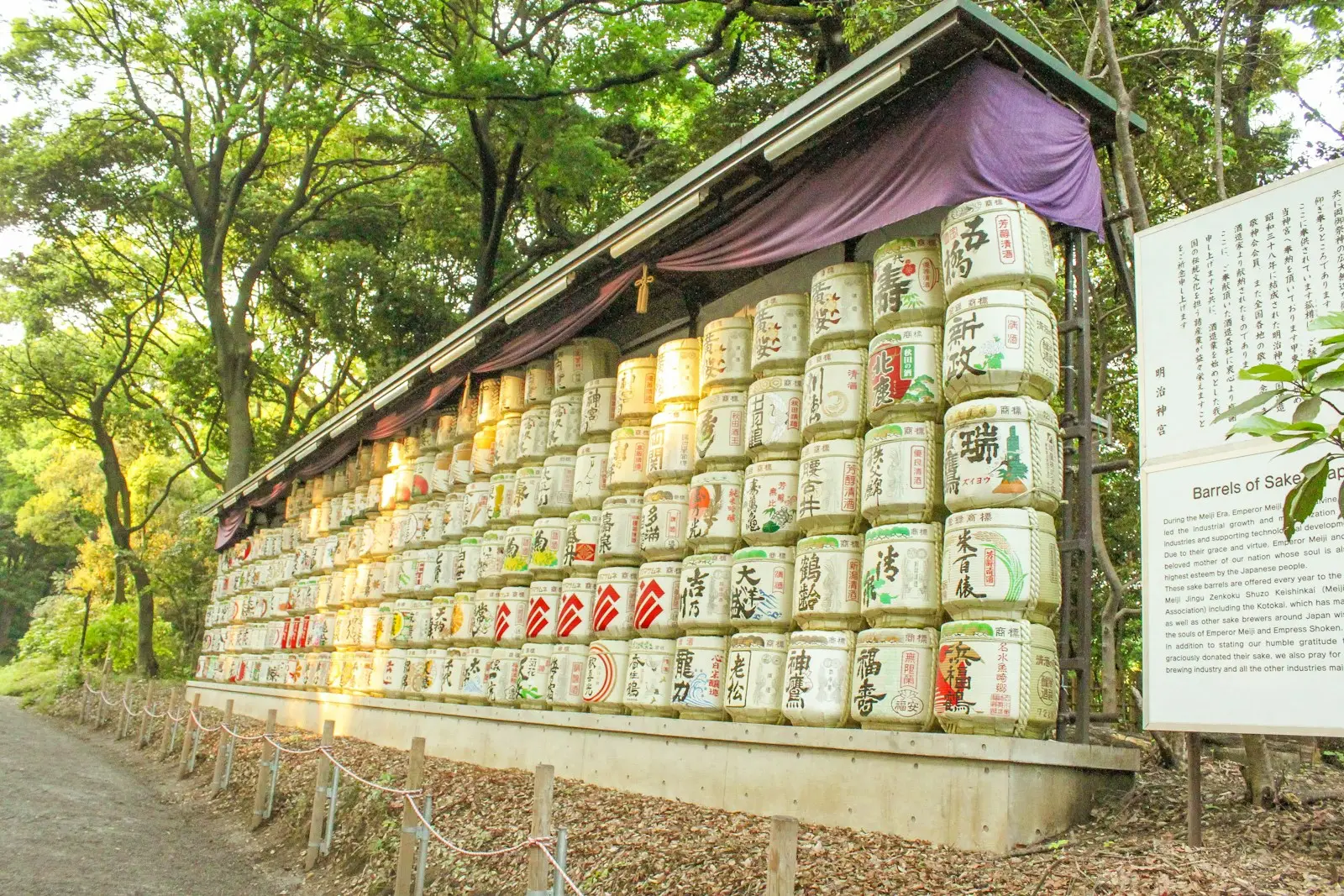
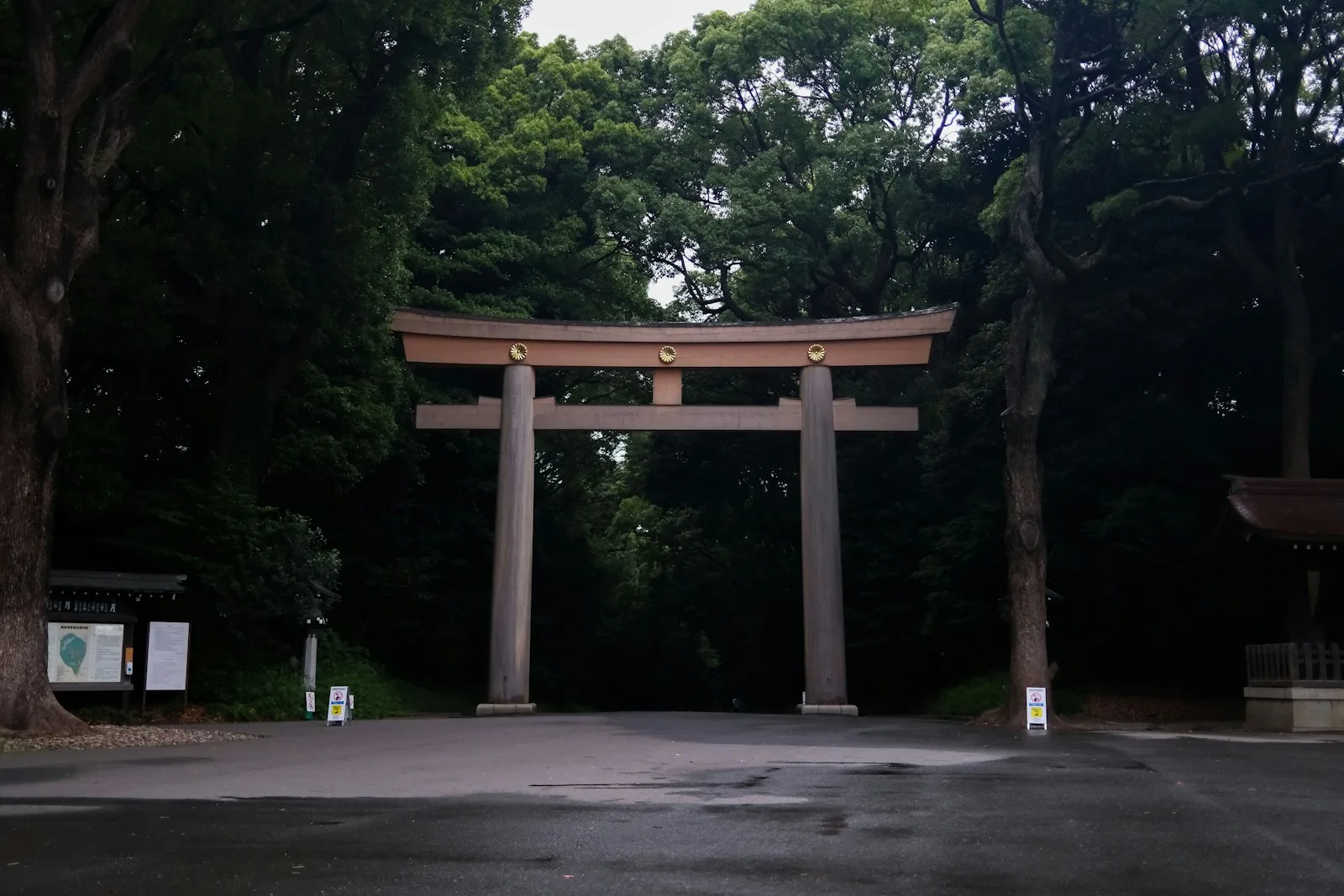
Emperor Meiji reigned from 1867 to 1912, the years in which Japan turned from a feudal state into a modern nation. The shrine was built for him and Empress Shoken after their deaths and dedicated in 1920.
A forest planned for a hundred years
The designers chose trees that would replace one another over time, so the woodland would look after itself. Today it covers about seventy hectares in the middle of the city.
From army housing to Harajuku
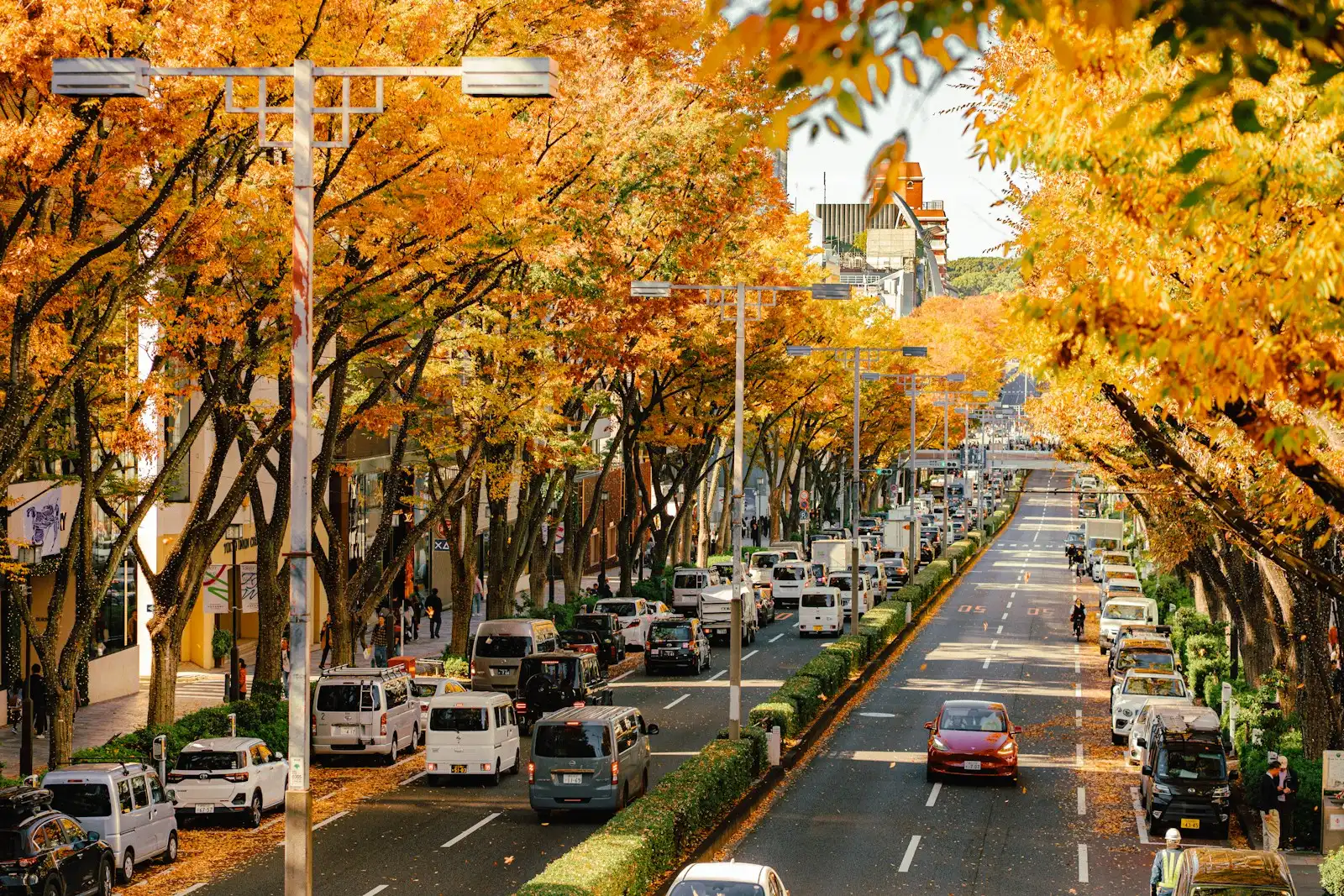
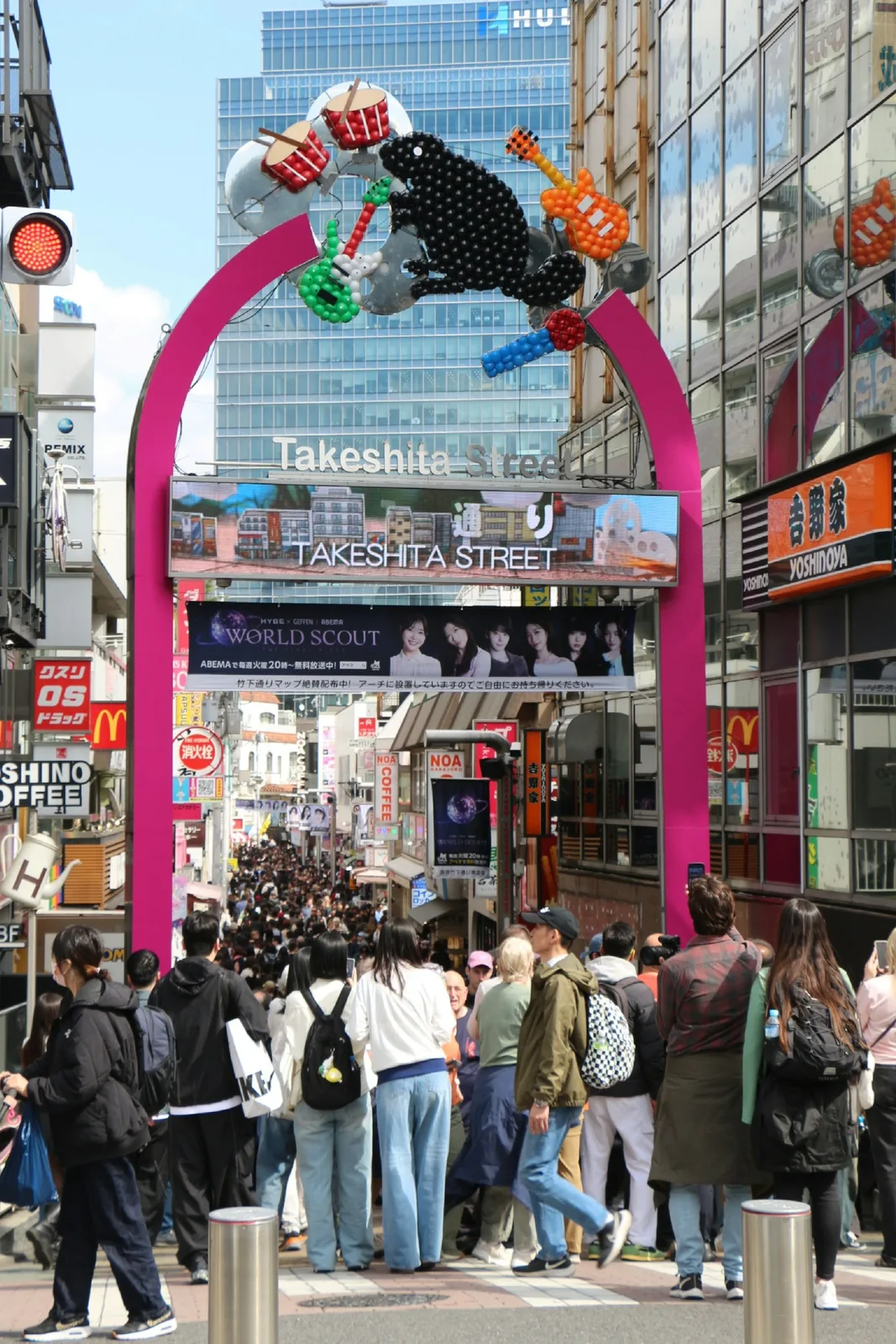
After the war, American military housing stood beside the shrine. It became the athletes’ village for the 1964 Olympics and then Yoyogi Park, and the streets around it grew into the centre of Tokyo’s youth fashion.
Shibuya, rebuilt
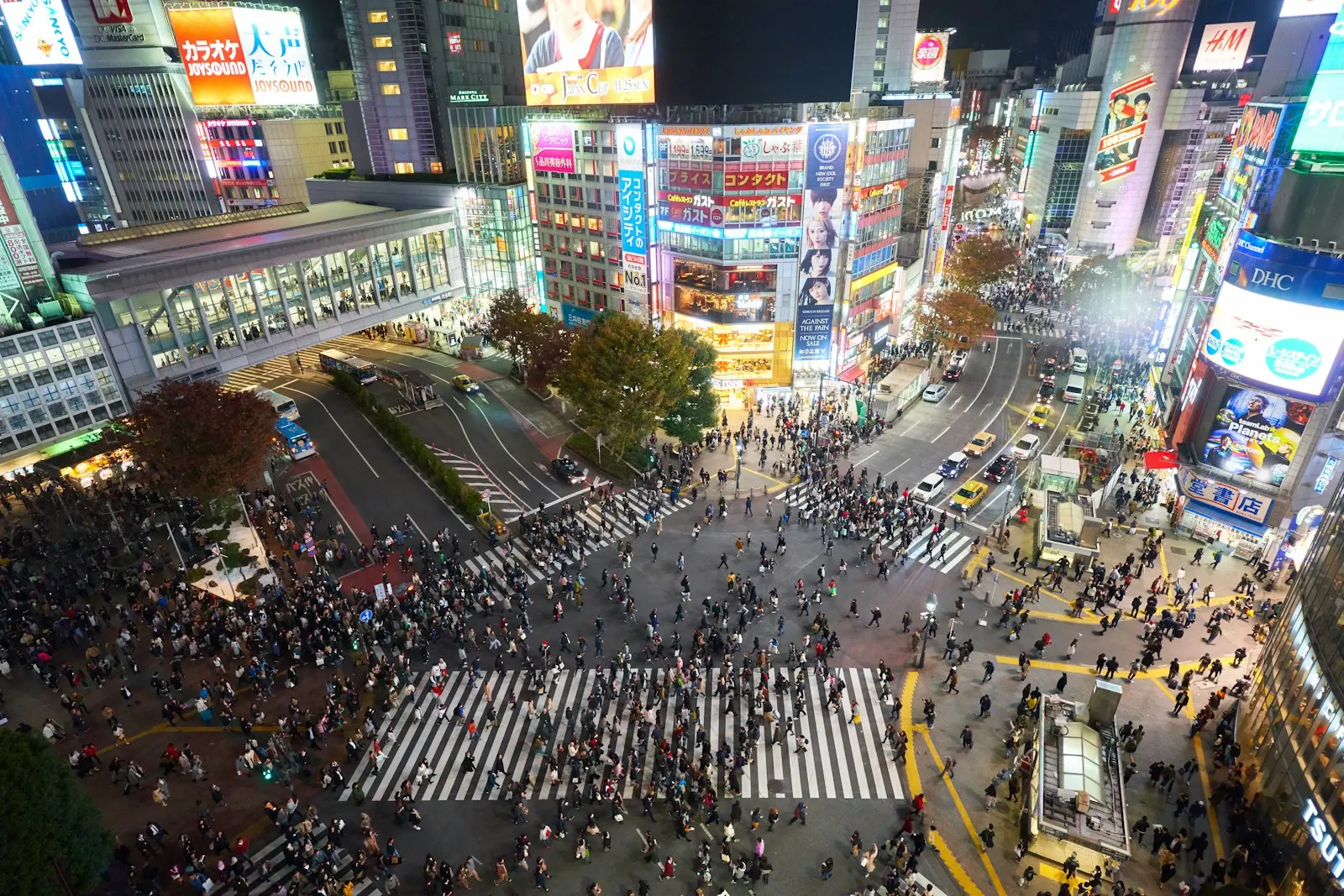
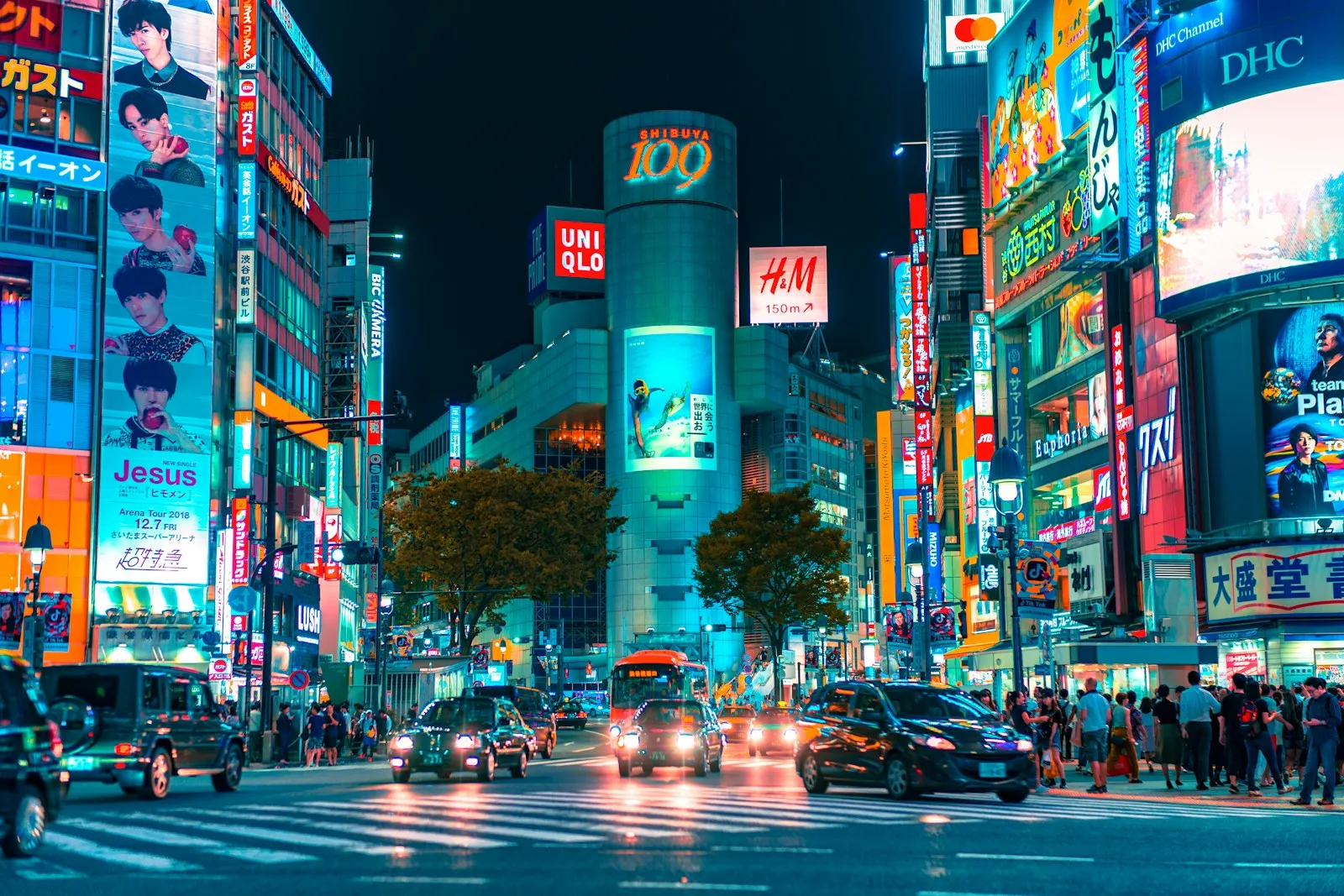
Since the 2010s Shibuya has been rebuilt around its station, with new towers and rooftop views over the crossing that made it famous.