Heritage & Craft · Shinjuku
Hikizome Silk Dyeing Workshop in Shinjuku, Tokyo
Overview
Brush colour onto silk at a working kimono dye studio
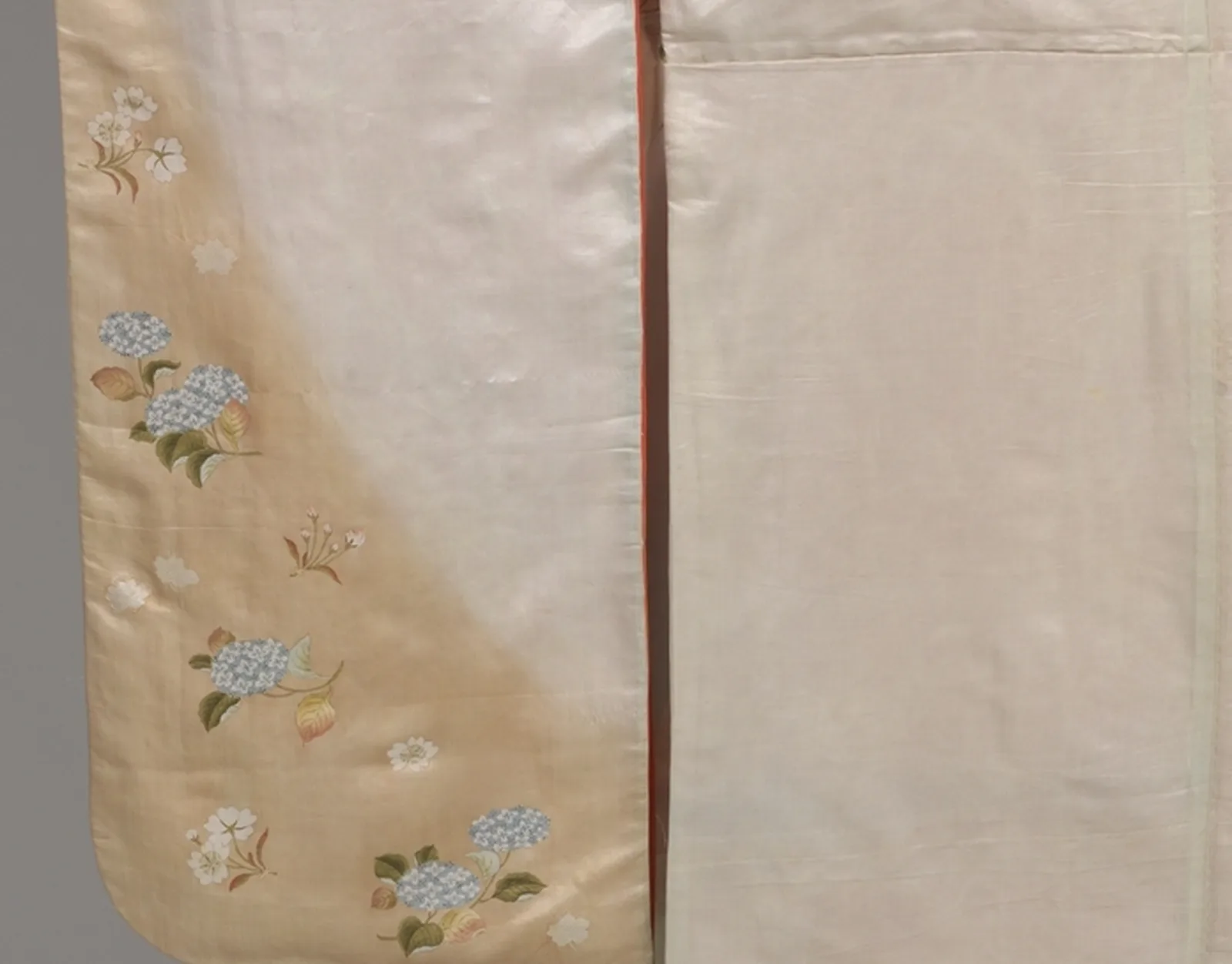
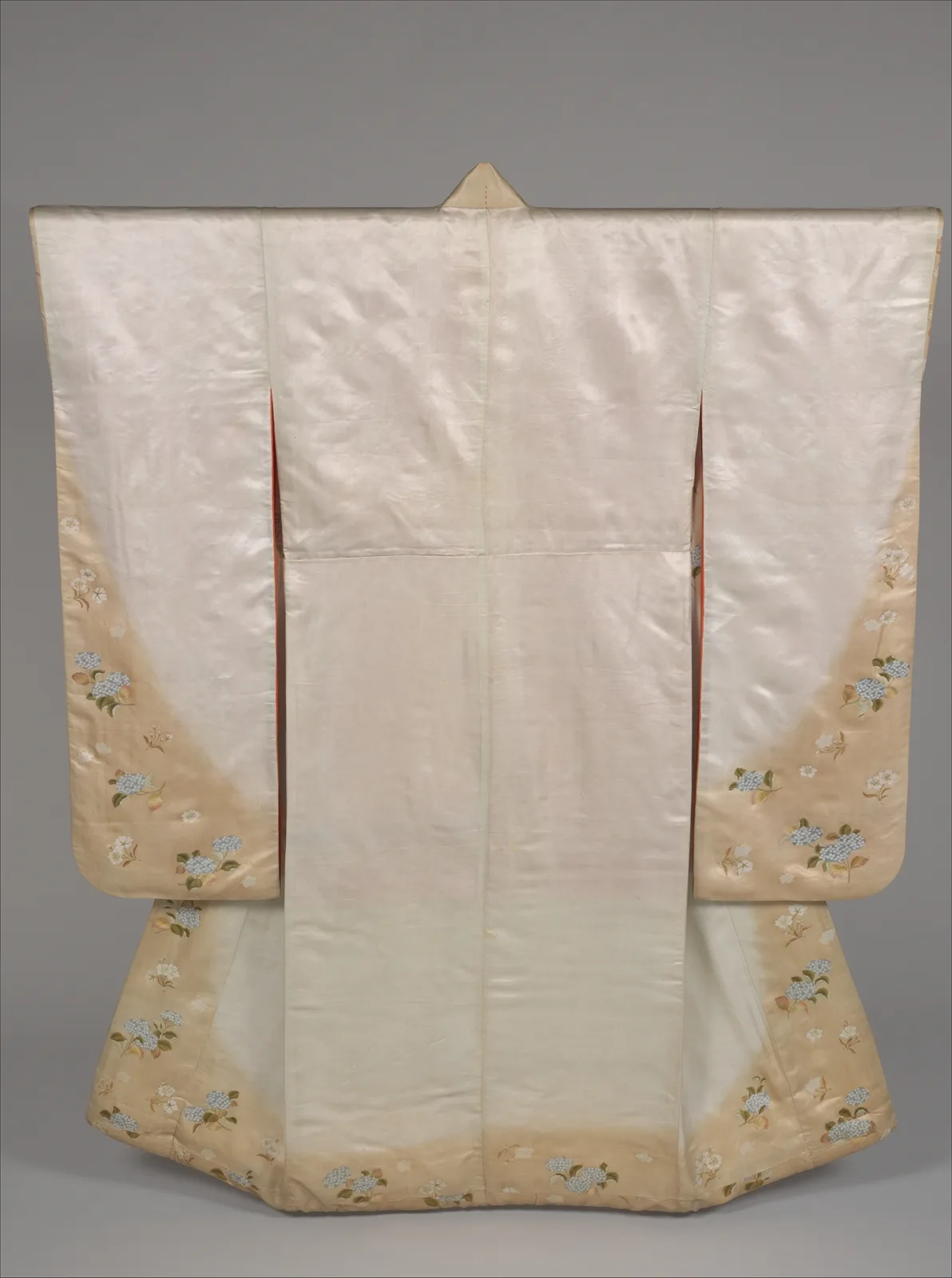
Hikizome is how kimono get their smooth backgrounds and soft gradations of colour: whole lengths of silk are stretched taut and brushed with dye by hand. Fujiya Dye Studio, founded in 1952 in the dyers’ neighbourhood near Takadanobaba, opens its workshop to our guests.
Tour the studio and watch a dyer shade kimono silk, or brush-dye a silk scarf, stole or obi-age of your own. Every session is private to your group, and your interpreter stays with you throughout, so you can ask anything.
Dye a piece of your own and take it home
Only your group with the dyers
Guide and interpreter with you throughout
History
A century of dyeing by the river
1600s
Patterns for the samurai
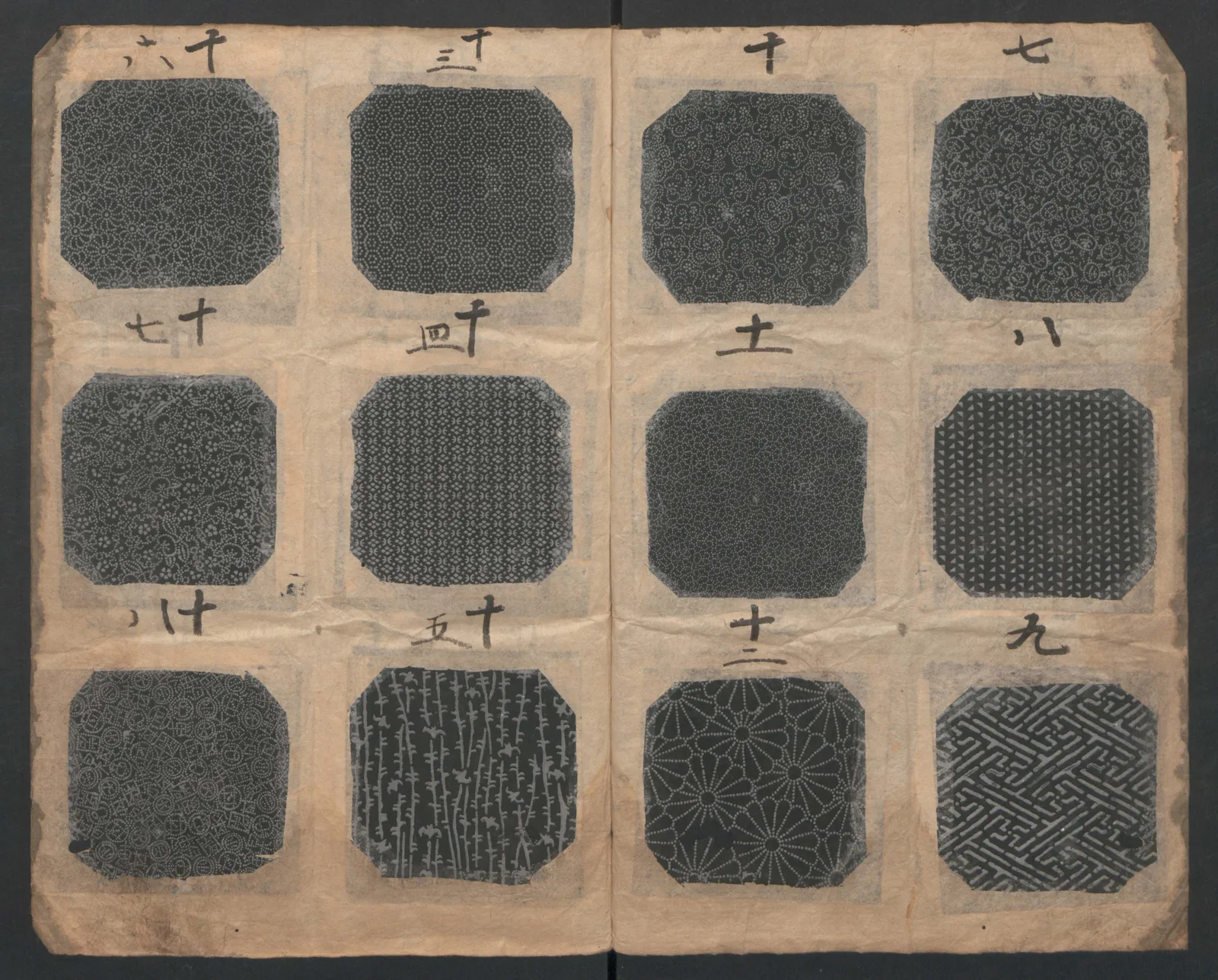
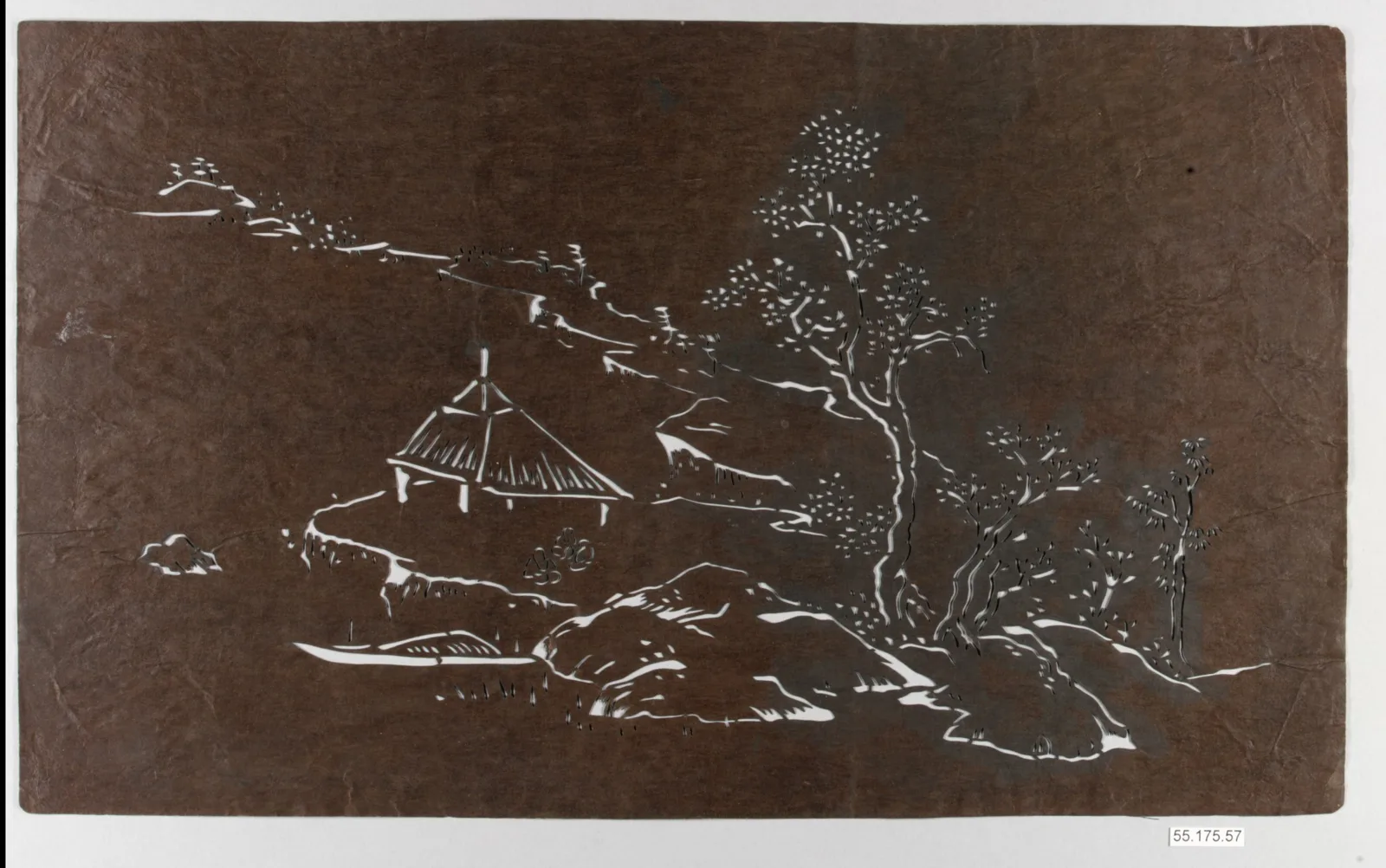
Edo Komon began as the formal dress of samurai: tiny dots and lines, cut into paper stencils so fine that from a few steps away the cloth looks plain. Each domain had its own pattern.
1600s–1800s
Sarasa reaches Edo
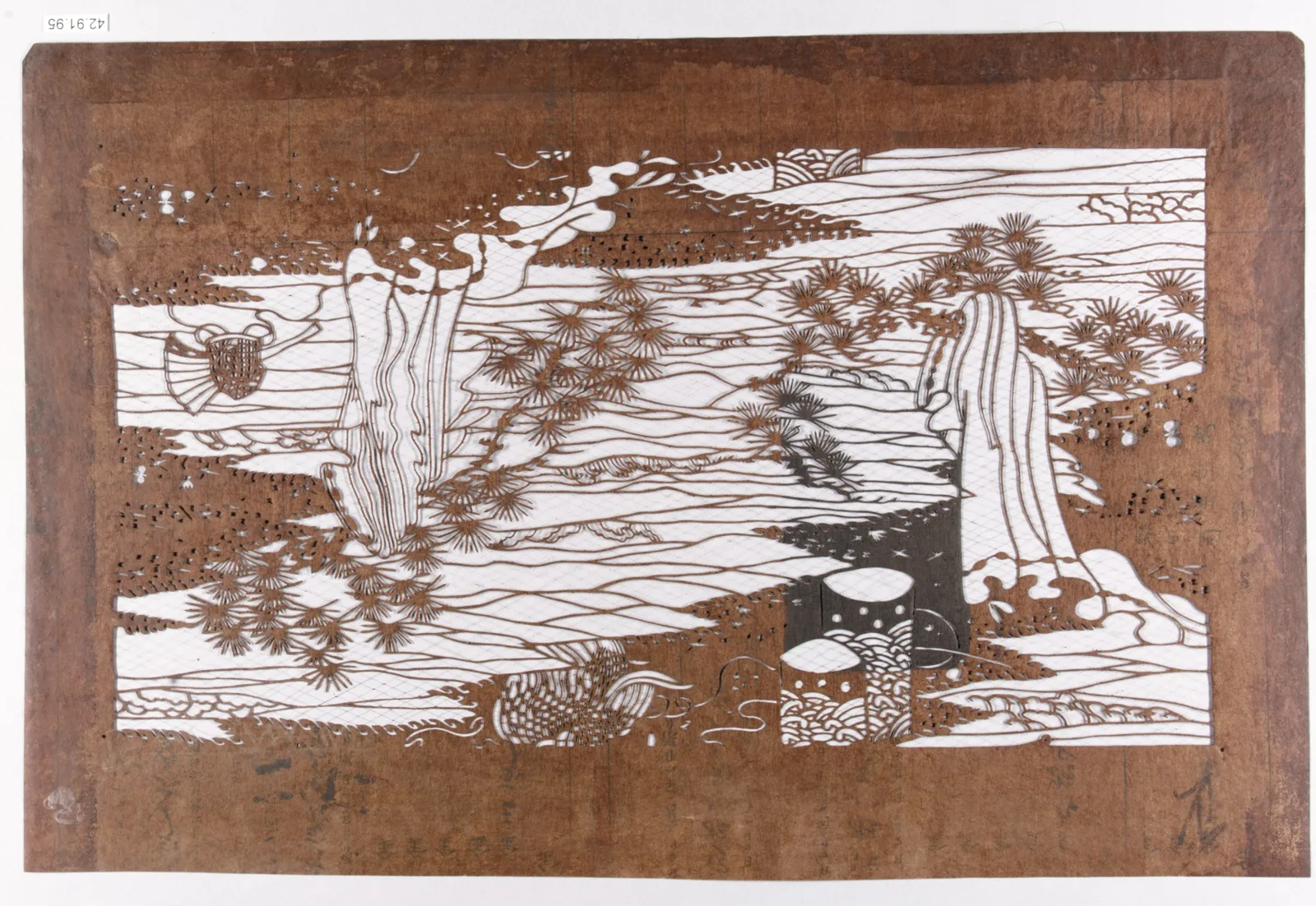
Brightly printed cottons from India, called sarasa, arrived through foreign trade and became prized luxuries. Edo dyers recreated them with dozens of stencils, one for each colour, and Edo Sarasa was born.
1700s–1800s
The dyers of Kanda
In Edo the dye houses clustered along the Kanda River near the city centre, where a neighbourhood called Kon’ya-cho, “dyers’ town”, still carries the name.
1910s–1930s
Upstream to Ochiai
As the city grew, dyers moved upstream to Ochiai, where the Kanda and Myoshoji rivers “fall together” and the water ran clean. At its peak the area had more than three hundred dye workshops.
1960s–today
Keeping the craft alive
Dyers rinsed new cloth in the Myoshoji River into the 1960s. Kimono demand has since fallen and only a dozen or so workshops remain, but each February the neighbourhood hangs dyed fabric over the river for its Some no Komichi festival.
Itinerary
Choose an experience to see how it unfolds
The two experiences run differently. Open one to see each step, then book it below.
90 minutes
Studio tour and shading demonstration
See inside a working hikizome studio and watch a dyer shade kimono silk by hand.
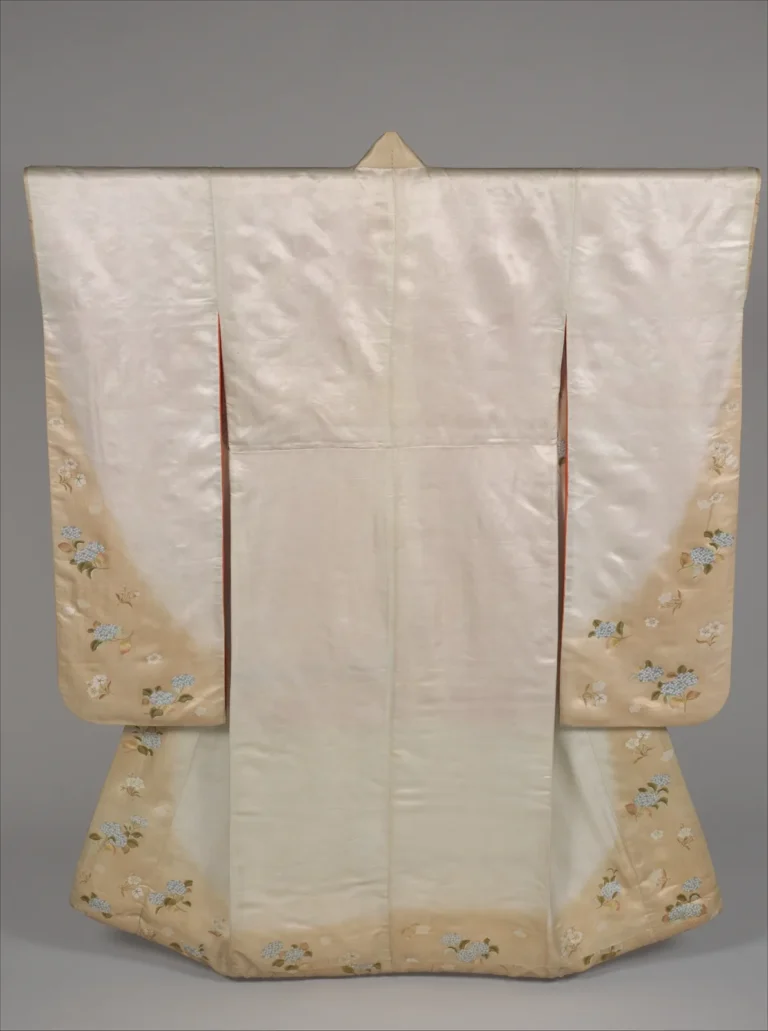
2 hours
Hand-dyed silk scarf, stole or obi-age
Brush-dye your own silk scarf, stole or obi-age, with optional shading.
The Studio
The story of Fujiya Dye Studio
Since 1952
Fujiya Dye Studio was founded in 1952 among the dye workshops of Ochiai and Takadanobaba, specialising in Tokyo hikizome for kimono.
The art of hikizome
Hikizome gives kimono their smooth backgrounds and soft gradations of colour. It takes years to brush dye evenly across a bolt of silk without a single streak.
Shading by hand
Bokashi, shading one colour into another across the silk, is one of the hardest hikizome skills, and you can try it on your own piece.
Visiting the studio
The studio opens for tours and shading demonstrations, and for small private dyeing sessions, by arrangement.
Your hosts
The dyers of Fujiya
Working artisans, not demonstrators
Fujiya is a working dye studio that colours silk for kimono makers. You learn from the people who do this every day.
Your interpreter stays beside you, so you can ask about technique, patterns and the history of the trade.
Tokyo hikizome since 1952
Silk dyed by hand with wide brushes
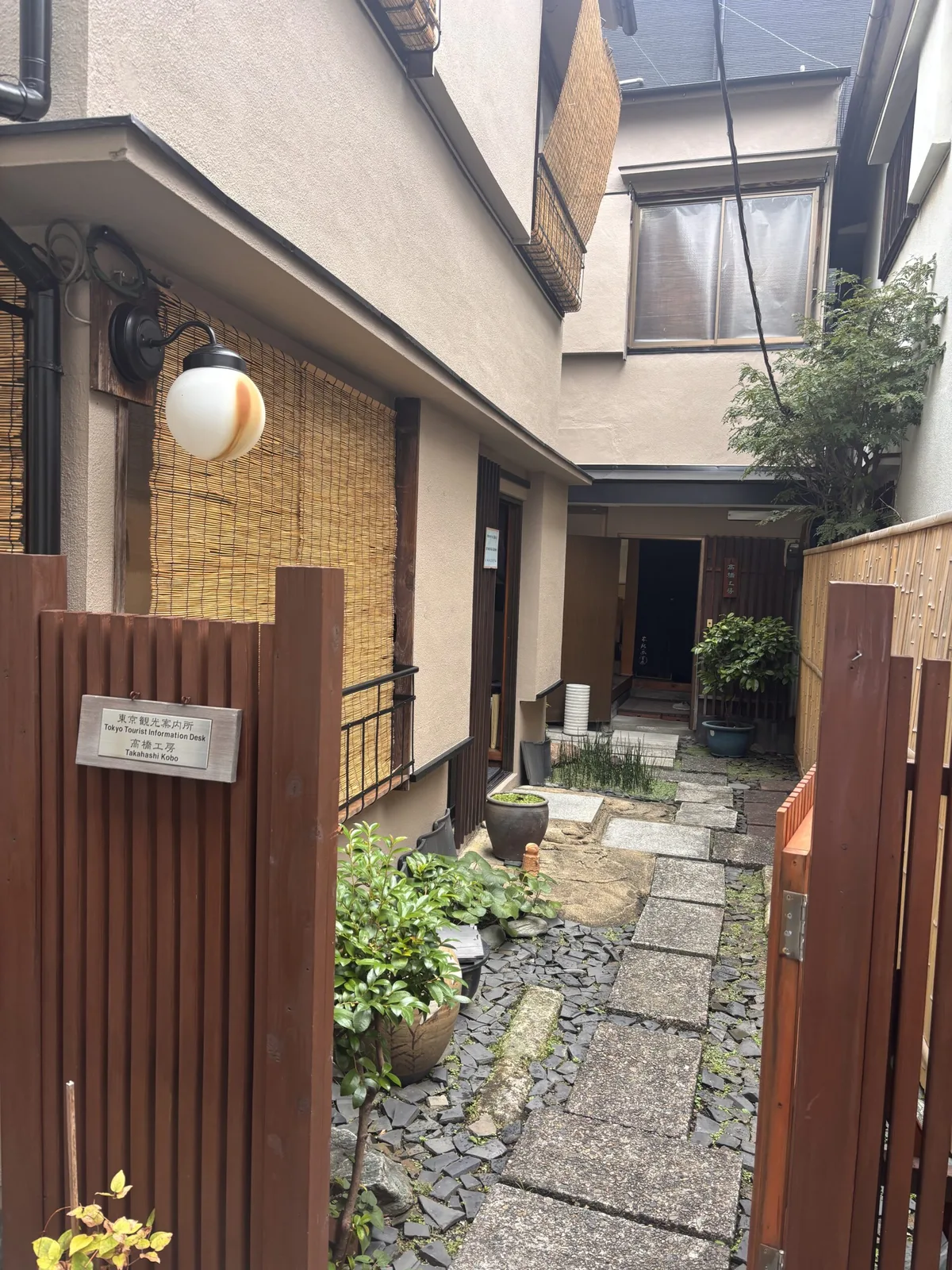
3 minutes from Shimo-Ochiai Station, Shinjuku
Included
Private guide and interpreter throughout
A welcome and introduction to the craft
All materials, and the piece you dye
Group size
Private for your group. Studio tour for up to seven guests; silk dyeing for one or two guests at a time.
Before you go
Wear clothes you don’t mind getting a little dye on. We confirm your date and time with the studio within two days of your request.
Booking
Choose your date
Choose your experience, the number of guests and your preferred date and time, then send us a request. Nothing is charged now: we confirm with the studio within two days, then send you a secure link to pay.
Where we meet
A quiet corner of Shinjuku
The studio sits in the quiet streets near Takadanobaba in Shinjuku Ward, in the old dyers’ neighbourhood of Ochiai.
3 minutes on foot from Shimo-Ochiai Station
Seibu Shinjuku Line · 10 minutes from Takadanobaba Station
Your guide meets you at the station exit
Prefer us to meet you at your accommodation? Let us know and we will take you door to door.
Questions
Good to know before you book
Do I need any experience?
No. The dyers prepare the stencils and colours and guide you at every step, so first-timers leave with a piece they are proud of.
Is it suitable for children?
The silk dyeing suits older children who can work carefully for two hours; the studio tour suits all ages. Tell us their ages when you book.
What should I wear?
Clothes you don’t mind getting a little dye on. The sessions are indoors, so the weather doesn’t matter.
Do I keep what I dye?
Yes, it is yours to take home. If a piece needs extra time to set after the session, we arrange to get it to you.
Does the studio speak English?
Your private guide interprets everything, so you can ask the dyers anything you like.
Can you meet us at our hotel?
Your guide normally meets you at the nearest station. If you would rather be collected from your accommodation, tell us when you book and we will take you door to door.
You might also like
More time with Tokyo's makers
Heritage & Craft
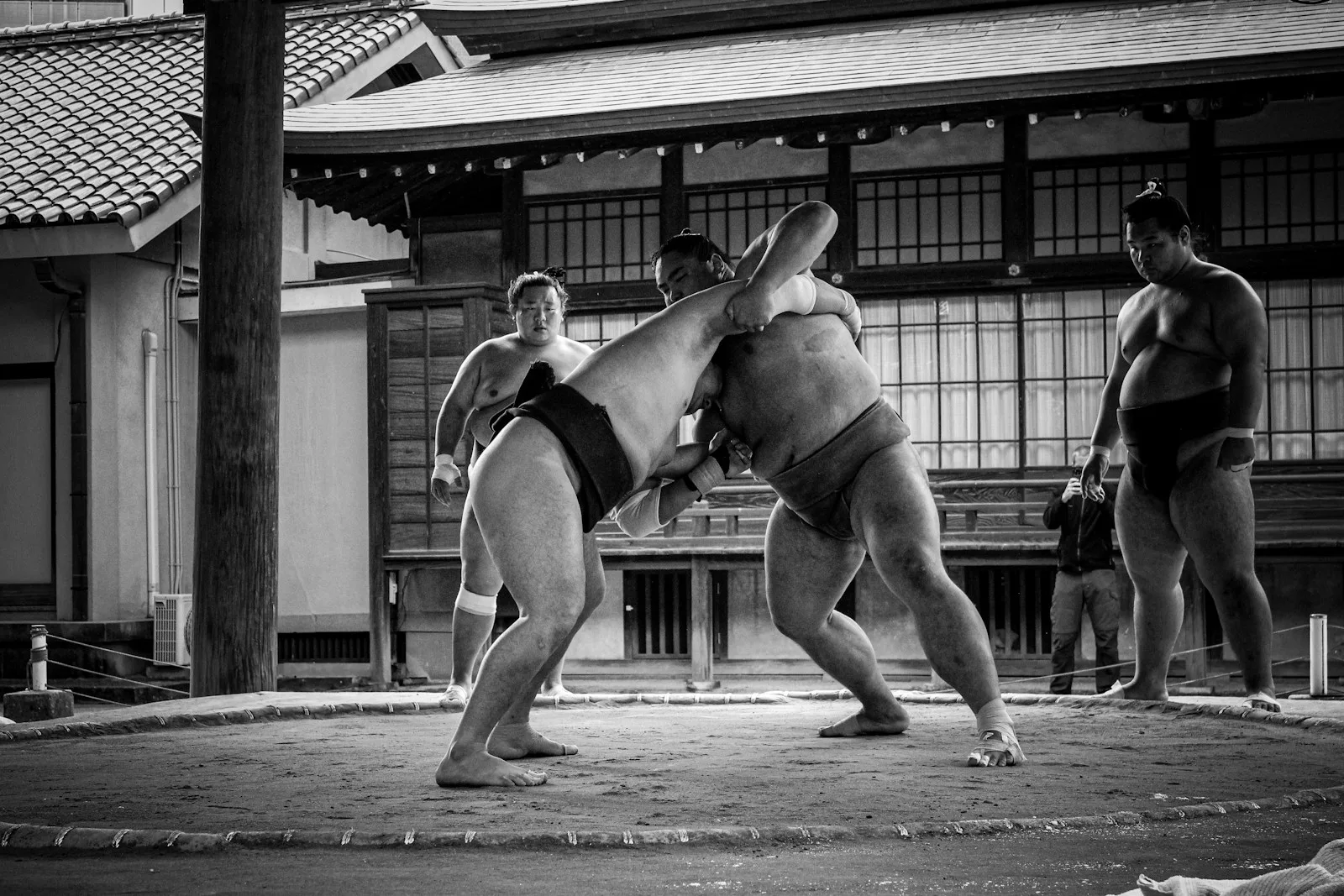
Morning sumo practice
Sit a few metres from the ring as wrestlers train at a Ryogoku stable, with every drill explained as it happens.
Heritage & Craft
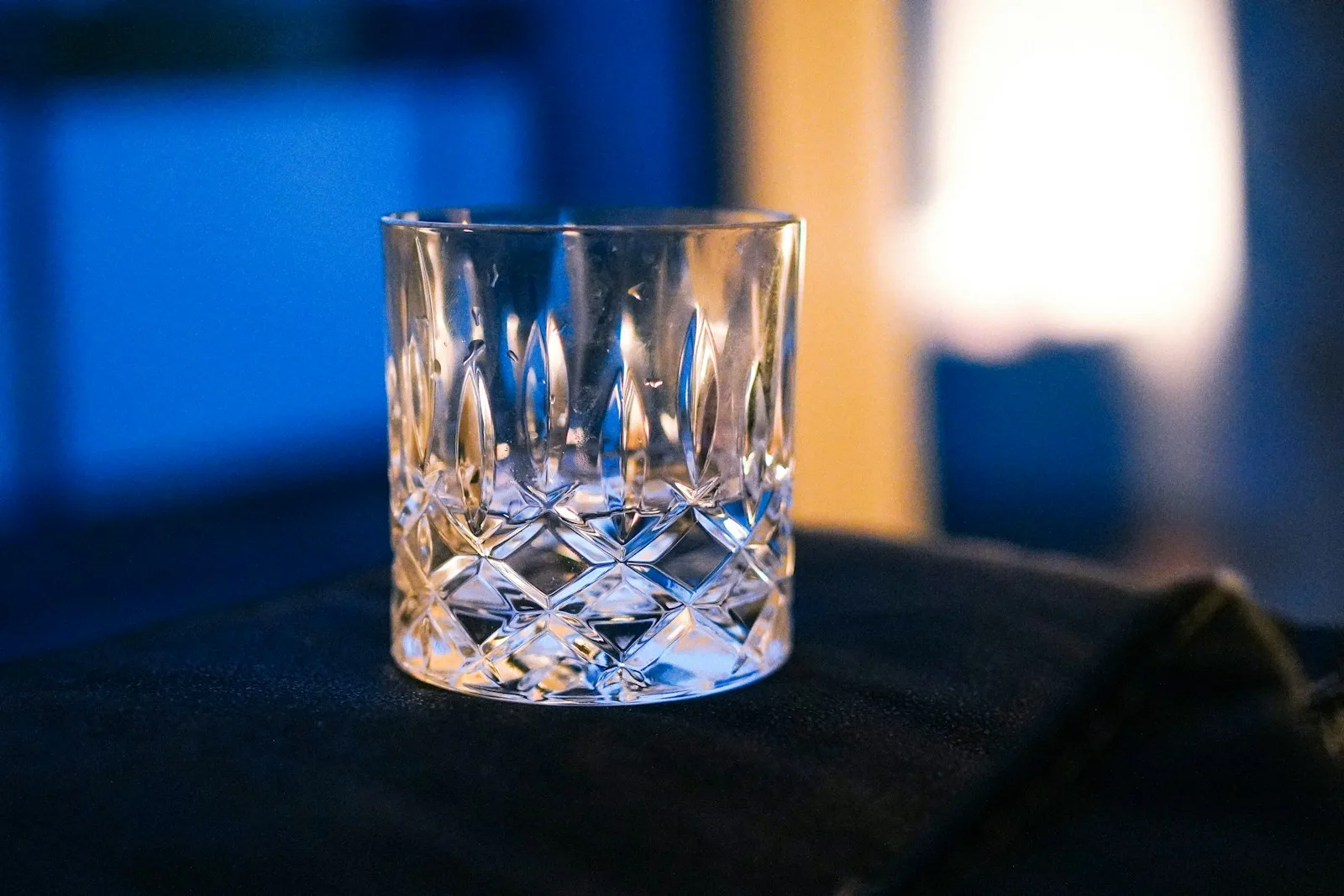
Edo kiriko glass cutting
Cut a pattern into your own glass under the eye of a kiriko artisan in the old Sumida workshops.
Heritage & Craft
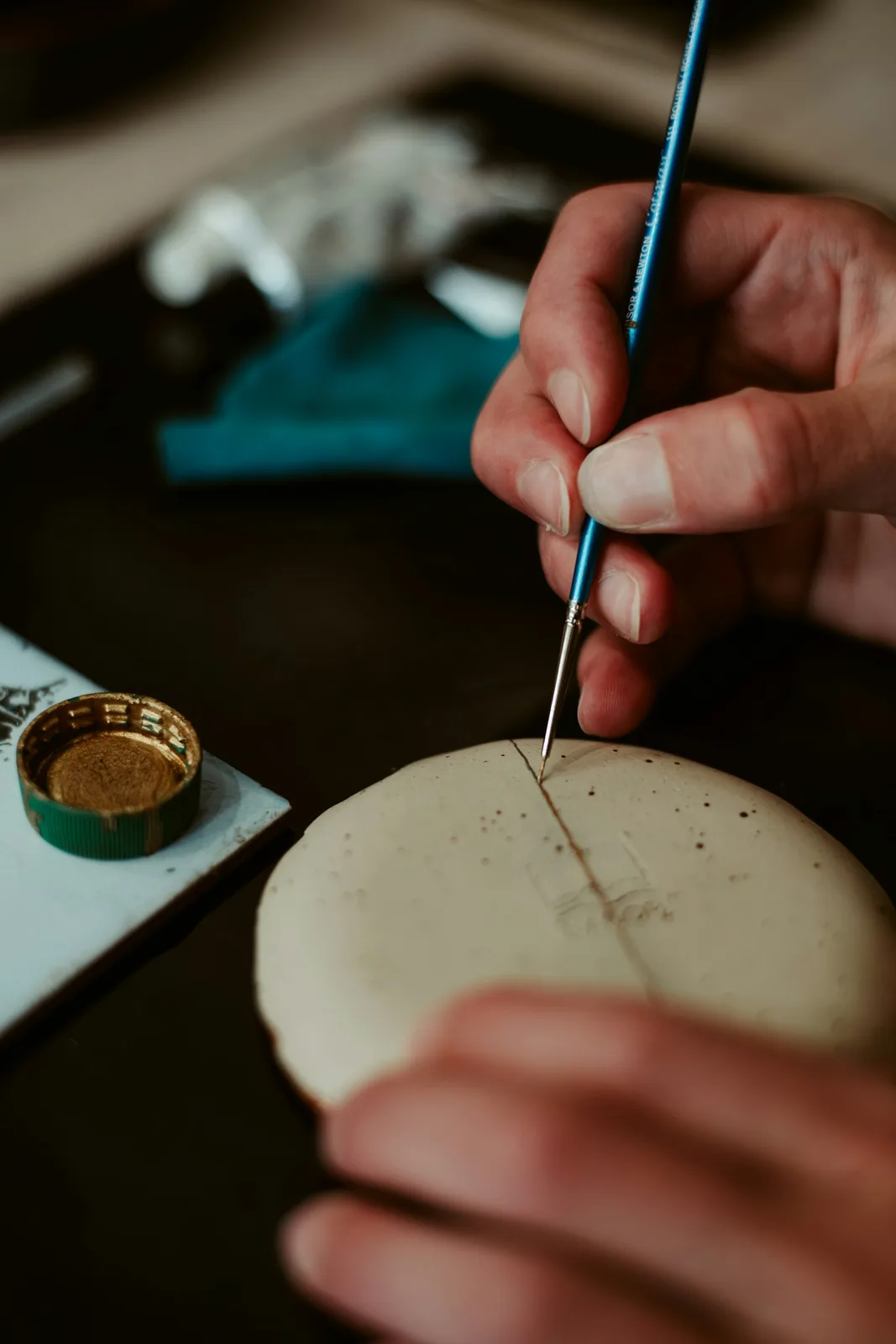
Kintsugi with a lacquer artist
Mend a broken plate with urushi and gold at Hariyo Urushi, a Tokyo lacquer house since the Edo period.
Heritage & Craft
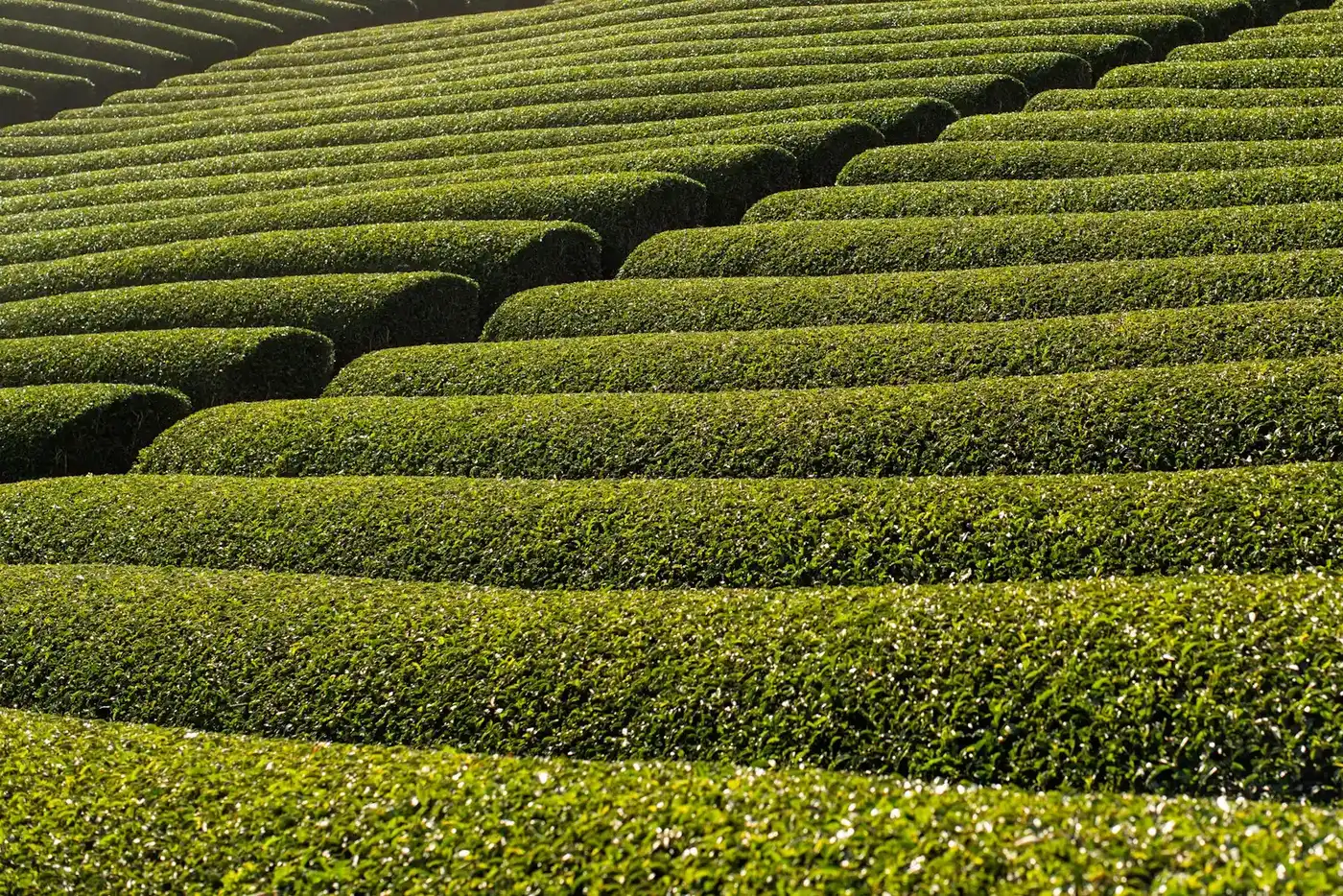
A day in the tea fields
Walk the terraced fields of Wazuka with a family of growers, then taste this year's leaf in their kitchen.