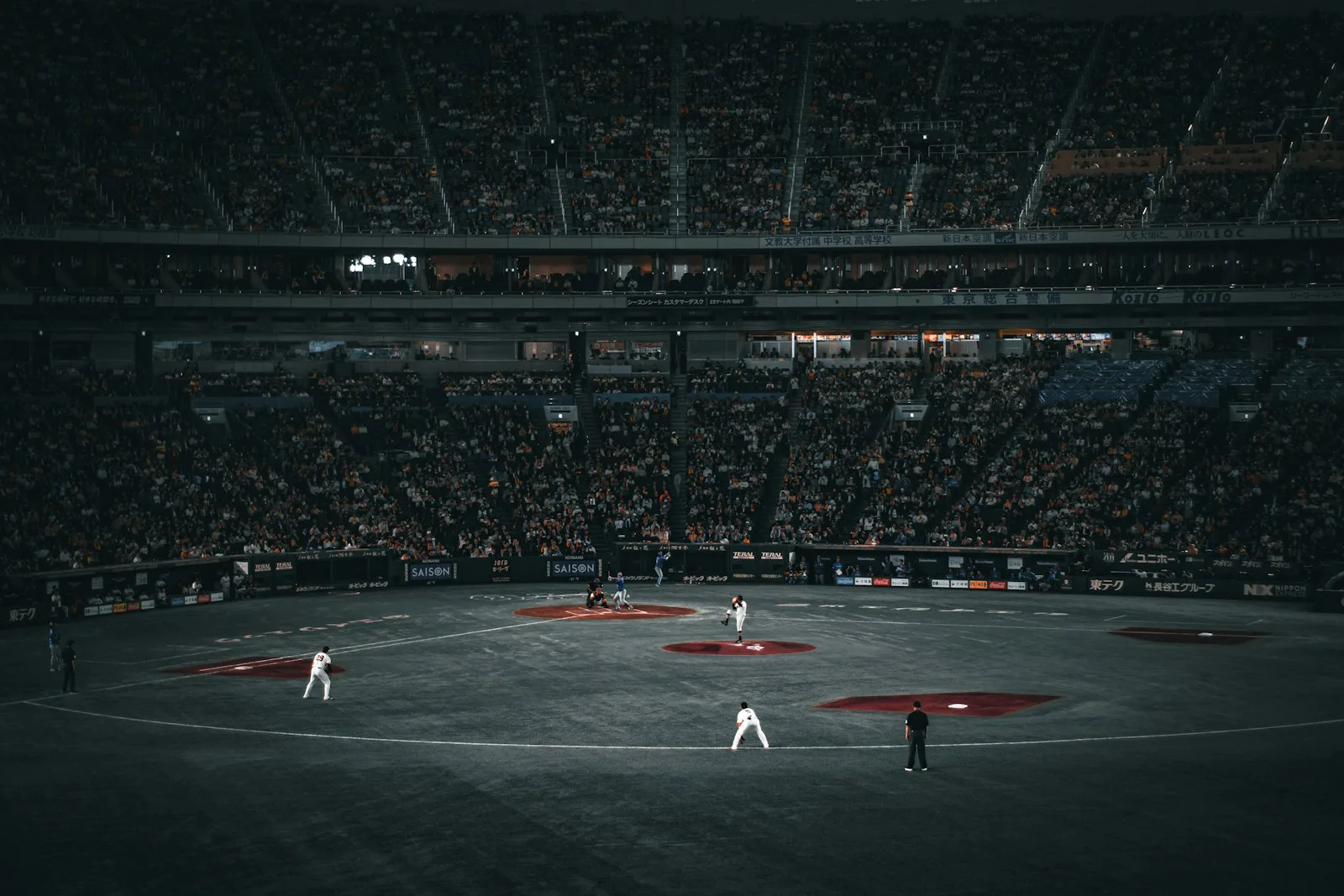
Active & Immersive · Tokyo
The Baseball Experience
Overview
A night at the ballpark, the way Tokyo does it
Japanese baseball is as much about the stands as the field. Every team has its ouendan (cheer team), fan clubs with trumpets, drums and a song for every player, and the whole crowd knows the words.
Choose a stadium and the kind of seats you're looking for. Your guide meets you in the city, takes you through the gates and the food stalls, and explains the game, the songs and the rituals as they happen.
Choose from three stadiums and three kinds of seat
Only your group, with your own guide
Tickets, stadium food tips and every cheer explained
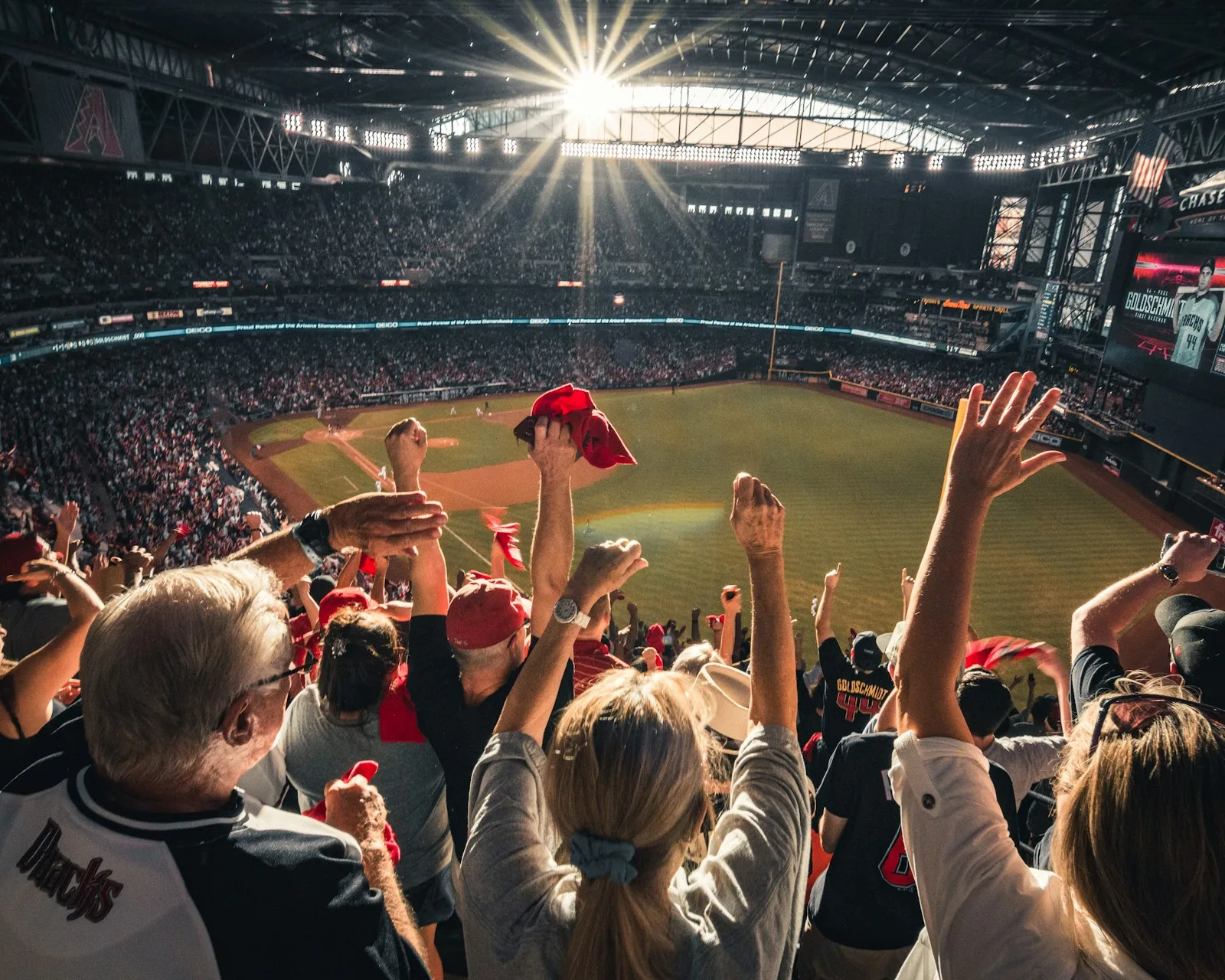
Stadiums & seats
Three stadiums, three kinds of seat
Choose the stadium first, then your seats. Prices are per person and include your guide and your ticket.
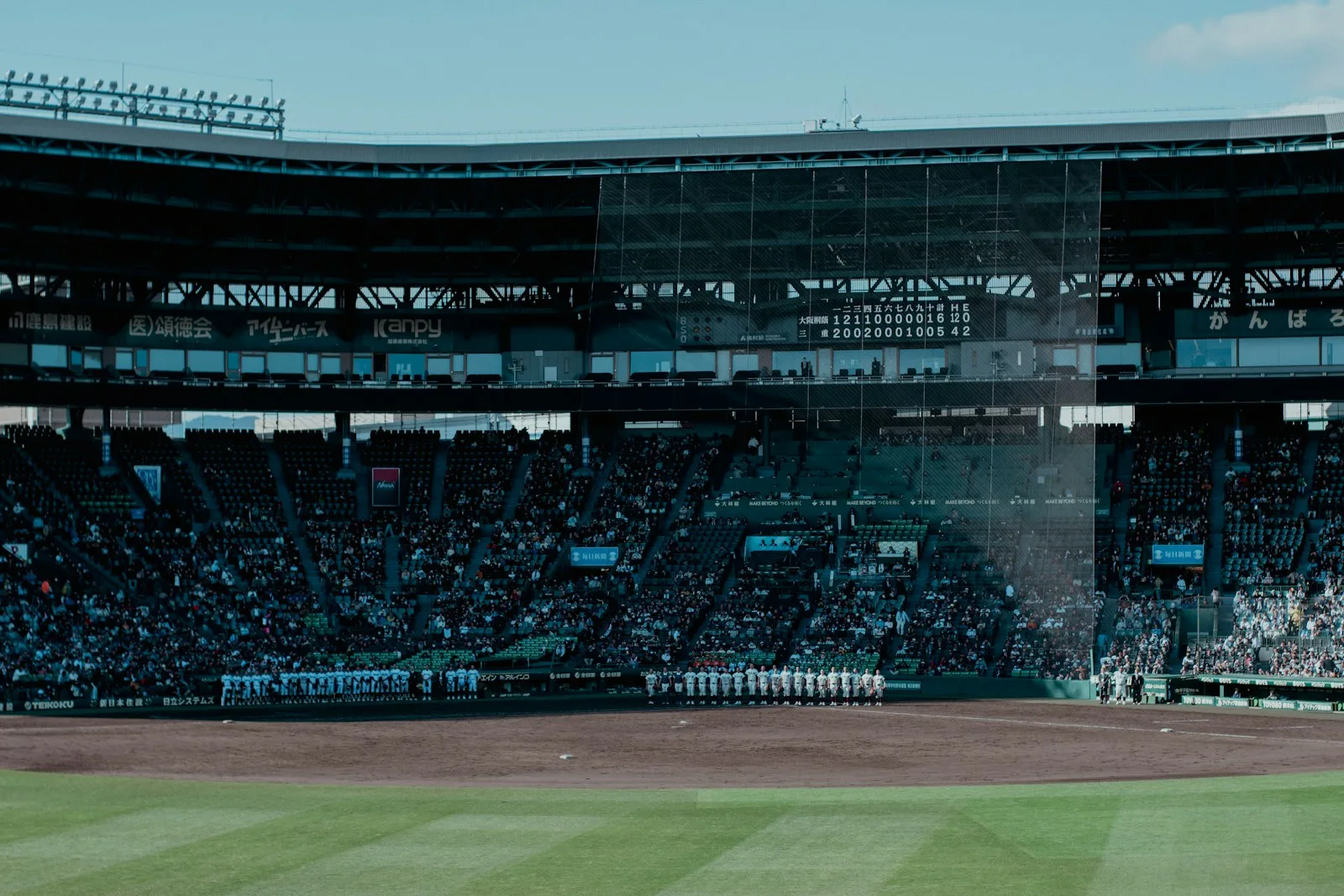
Tokyo Yakult Swallows
Jingu Stadium
Open-air and close to the field, in the outer gardens of Meiji Jingu. Swallows fans raise little umbrellas for the fight song, and summer evenings here feel like a neighbourhood festival.
Cheering section · $135 / person
Infield standard · $155 / person
Premium · $225 / person
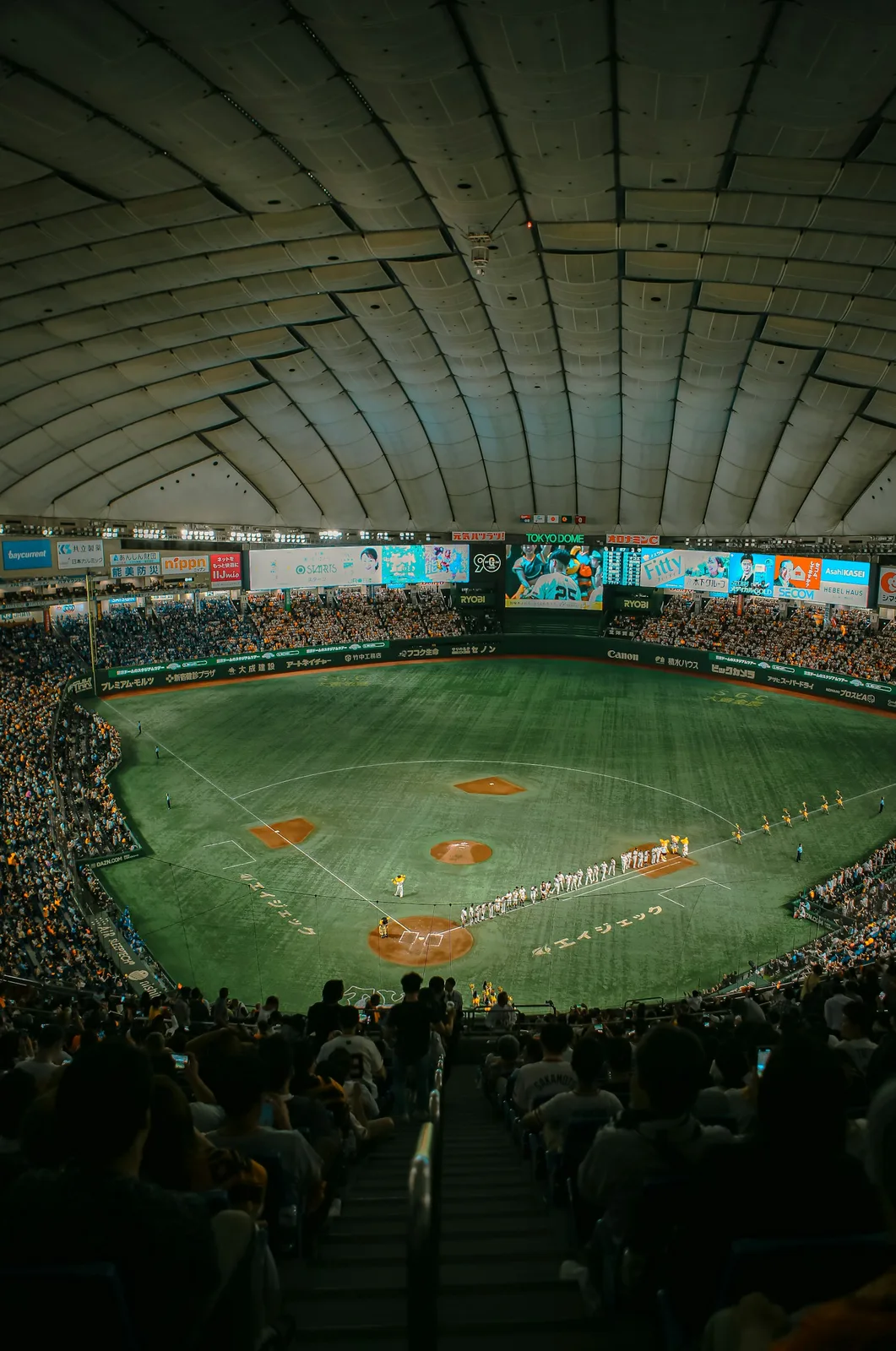
Yomiuri Giants
Tokyo Dome
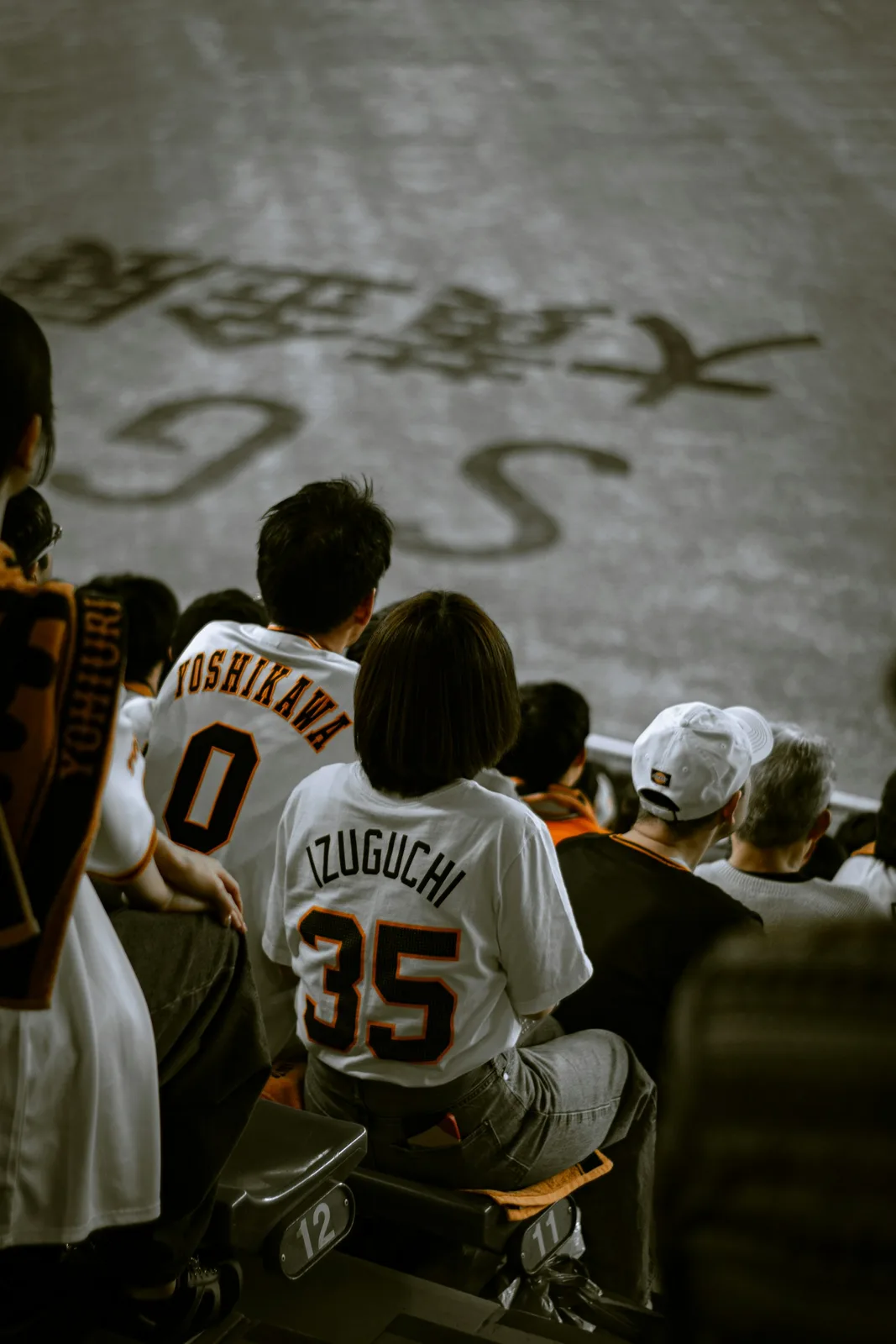
Home of the Giants, the most storied team in Japanese baseball. Covered and central, so the game goes on rain or shine, with the biggest crowds and the loudest cheering sections.
Cheering section · $140 / person
Infield standard · $165 / person
Premium · $255 / person
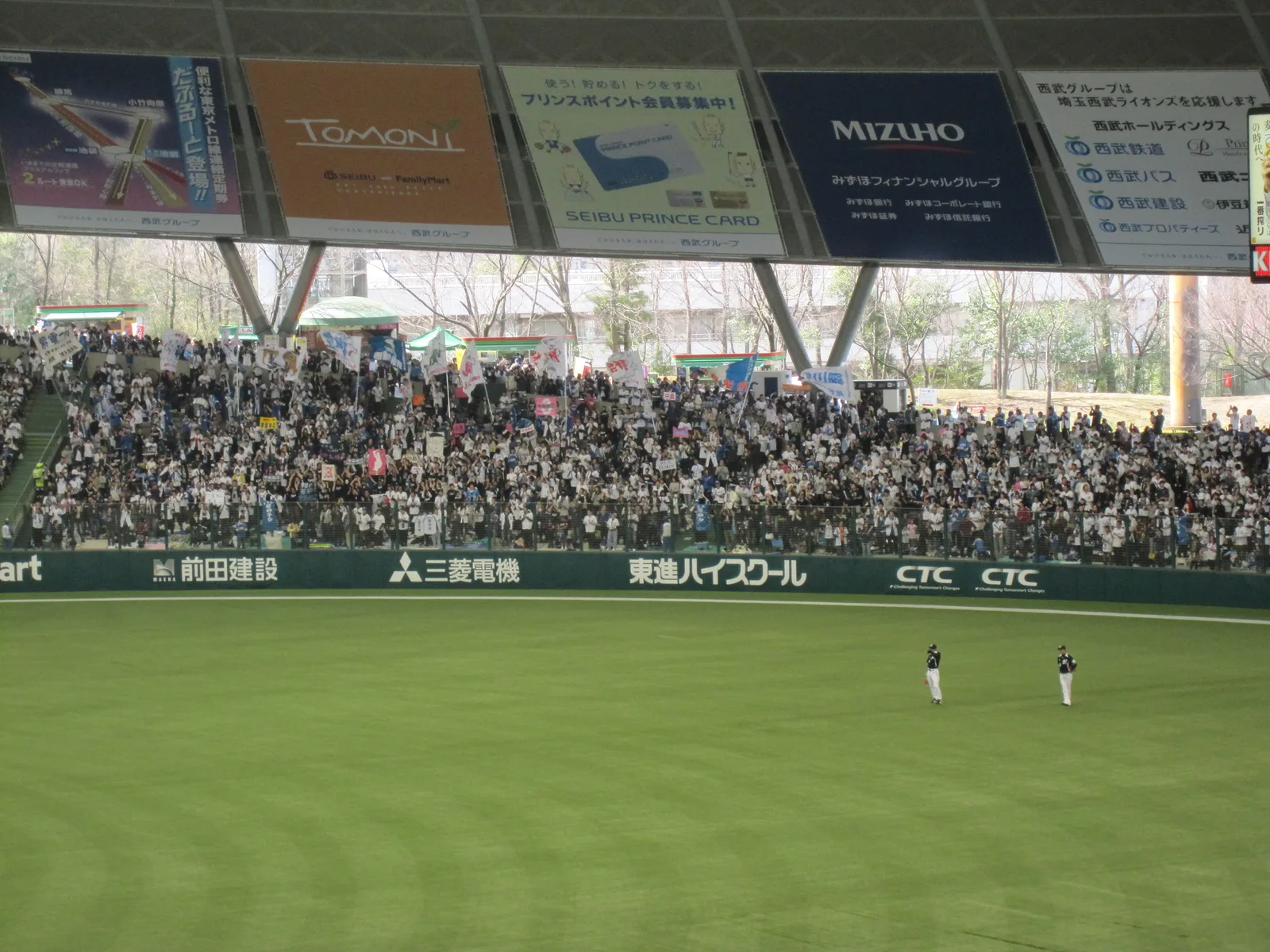
Saitama Seibu Lions
Belluna Dome
A roof set over a natural bowl in a ring of forest, so the evening air drifts in. About an hour from central Tokyo by train, with a relaxed crowd and some of the best stadium food in the league.
Cheering section · $130 / person
Infield standard · $150 / person
Premium · $215 / person
Cheering section
Outfield seats among the ouendan, the organised fan clubs. You stand, sing and wave flags with them all game. The liveliest seats in the house.
Infield standard
Reserved seats along the baselines with a clear view of the whole field, and room to watch the cheering without joining in.
Premium
The best seats each stadium sells, close to the field, with more room and an easy walk to the food.
The evening
How the 240 minutes unfold
Meet your guide
Your guide meets you at a station near your hotel and takes you to the stadium while explaining the teams and tonight’s match-up on the way.
The gates and the food
A walk around the concourse for stadium bento, local snacks and a beer from the vendors who run up and down the stands with kegs on their backs.
The game
From the first pitch, your guide explains the plays, the chants for each batter and the rituals of the seventh inning, and translates anything you want to ask.
The last out and home
Stay for the hero interview and the team’s victory songs, then your guide sees you onto the right train back.
Included
Private bilingual guide
Your ticket in the seats you choose
Help with food, drinks and train tickets
Group size
Private for one to six guests. For a larger group, let us know and we will accommodate.
Before you go
The season runs from late March to early October. Weekday games start around 18:00 and weekend games around 14:00. We will confirm with you when you book, and rebook or refund if a game is rained off.
History
From a schoolyard game to a national passion
1872
A teacher’s game
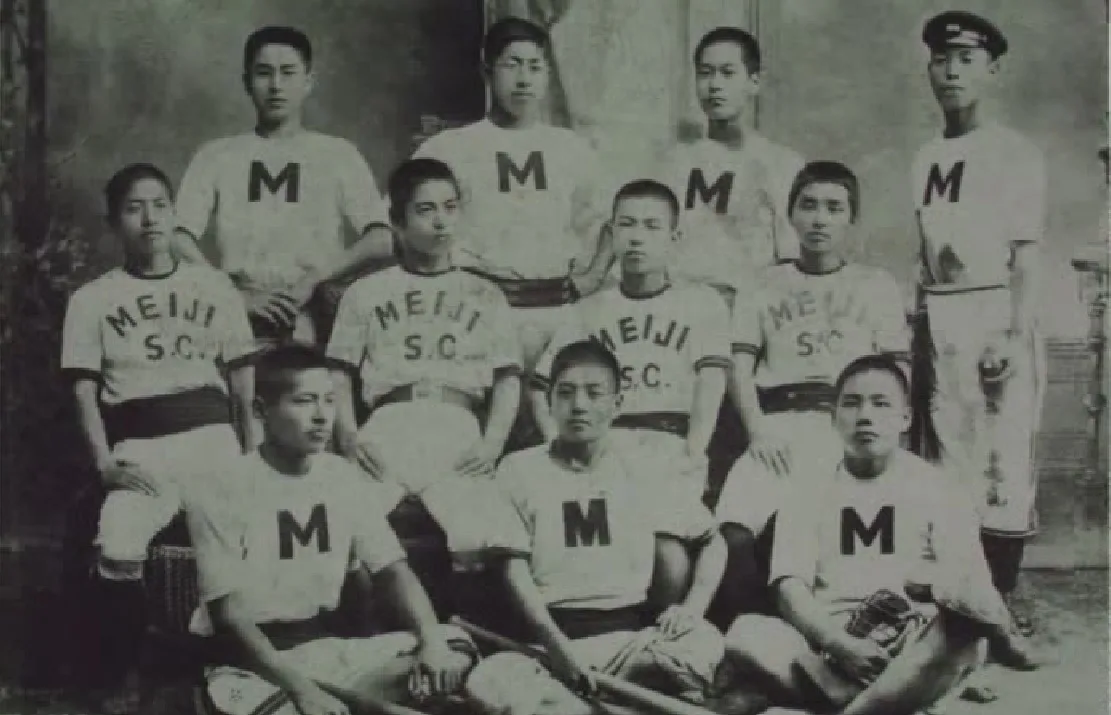
Baseball came to Japan in 1872 with Horace Wilson, an American teacher in Tokyo who taught it to his students. Within twenty years schools across the country had teams.
1894
Yakyu, field ball
In 1894 a student, Chuma Kanoe, coined the Japanese name yakyu, “field ball”, which is still used today.
1915–1950
Koshien and the professionals
The national high school tournament, now played at Koshien, began in 1915 and still fills the stadium every summer. Professional baseball started in 1934 with the team that became the Yomiuri Giants, and today’s two leagues formed in 1950.
1970s–today
A culture of cheering
Each team’s ouendan leads the stands with trumpets, drums and a song for every batter. At Jingu, Swallows fans wave small umbrellas after every run.
Booking
Choose your game
Pick a stadium, your seats, the number of guests and a date. You pay securely on the next page.
Where we meet
A quiet corner of Bunkyo
The studio is in Suido, a residential part of Bunkyo Ward, well away from the neon districts. The streets are calm, which suits slow and careful work.
5 minutes on foot from Edogawabashi Station
Tokyo Metro Yurakucho Line
Your guide meets you at the station exit
Prefer us to meet you at your accommodation? Let us know and we will take you door to door.
You might also like
More ways to spend a day in Tokyo
Heritage & Craft
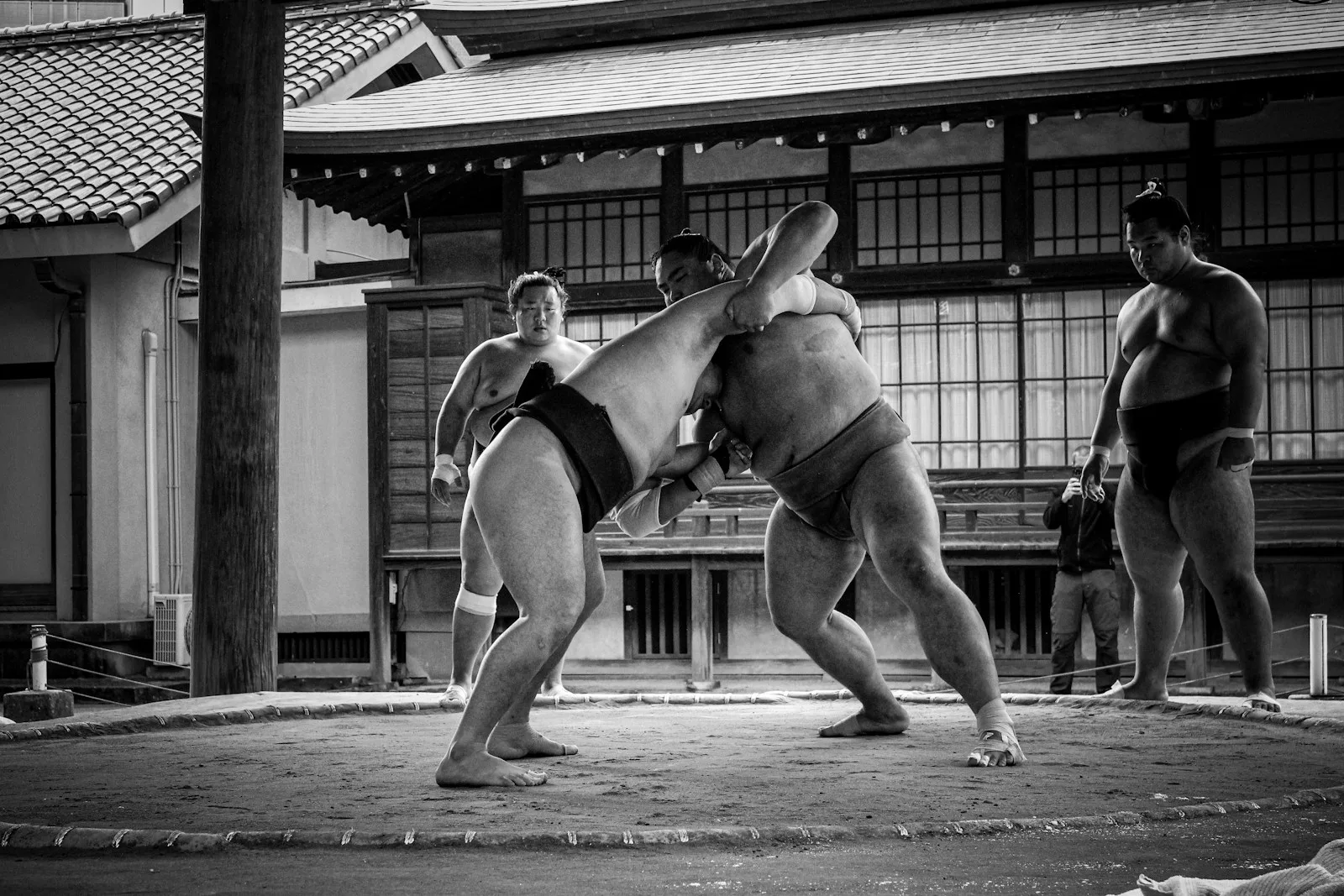
Morning sumo practice
Sit a few metres from the ring as wrestlers train at a Ryogoku stable, with every drill explained as it happens.
Heritage & Craft
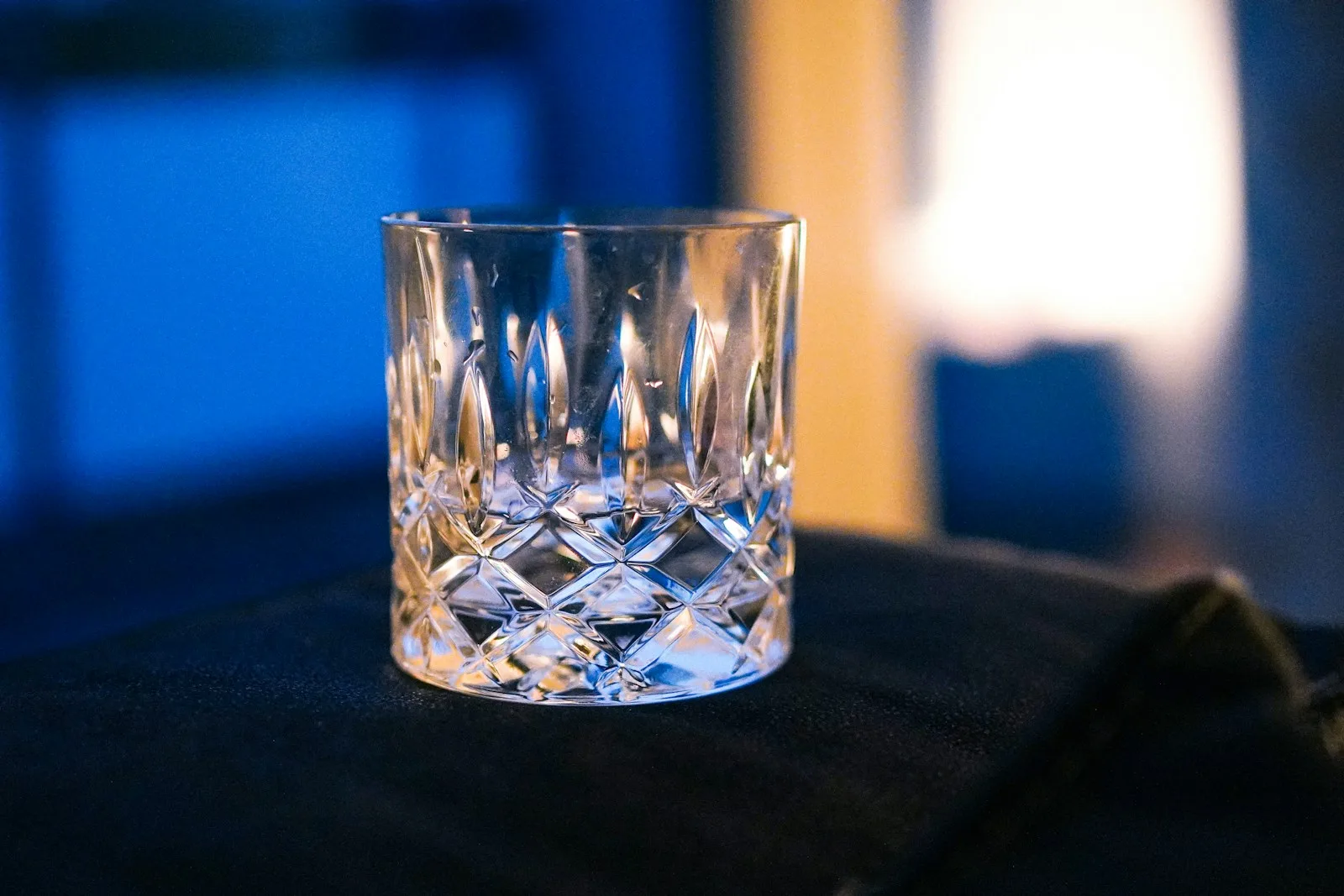
Edo kiriko glass cutting
Cut a pattern into your own glass under the eye of a kiriko artisan in the old Sumida workshops.
Heritage & Craft
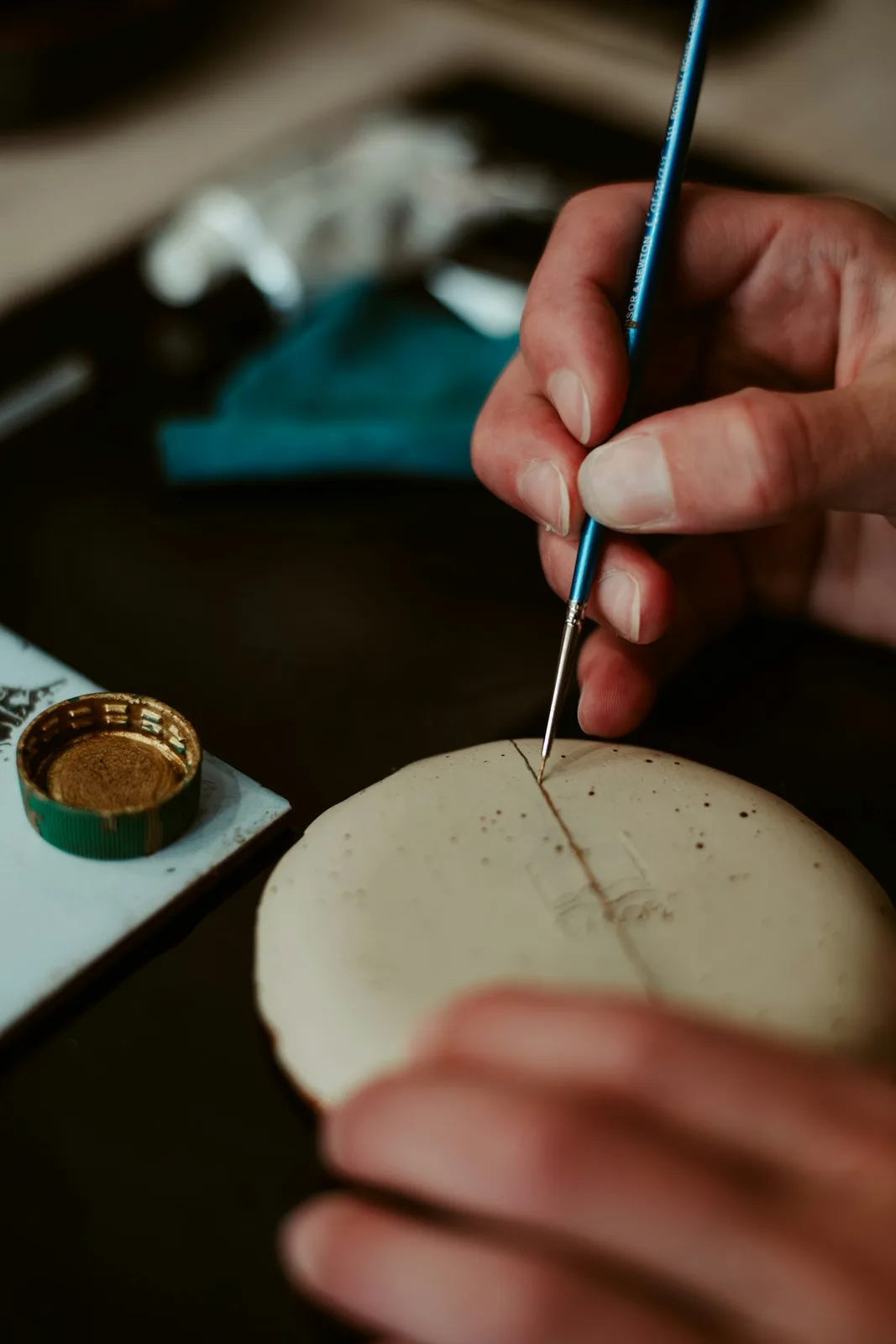
Kintsugi with a lacquer artist
Mend a broken plate with urushi and gold at Hariyo Urushi, a Tokyo lacquer house since the Edo period.
Heritage & Craft
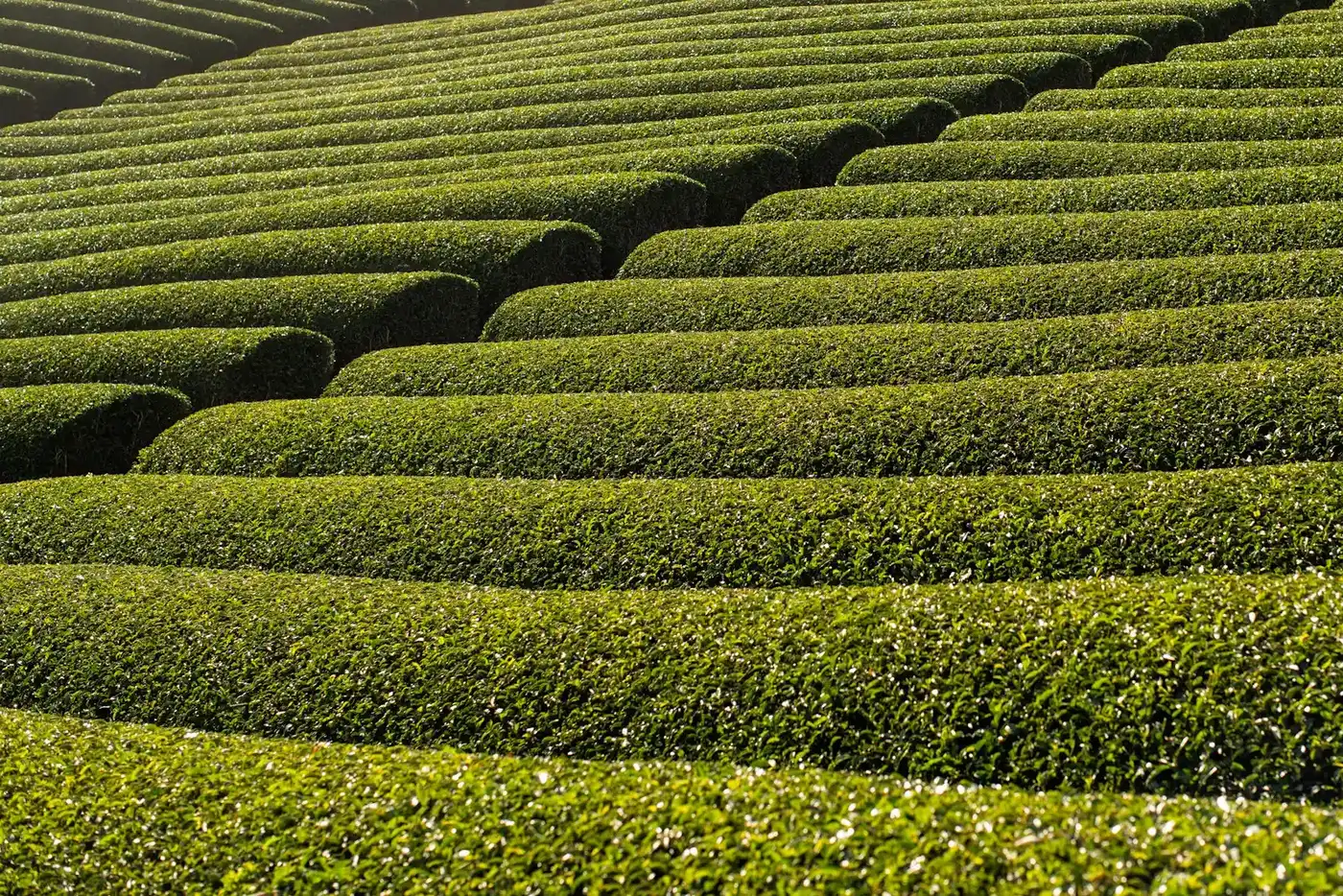
A day in the tea fields
Walk the terraced fields of Wazuka with a family of growers, then taste this year's leaf in their kitchen.