Heritage & Craft · Tokyo
The Kintsugi Experience
Overview
120 minutes with a lacquer house that dates back to Edo
Hariyo Urushi (播与漆行) has supplied natural urushi lacquer and lacquer tools to Tokyo’s craftspeople since the Edo period, and is now in the hands of its sixth generation. It is one of the few specialist urushi houses left in the city, and its classroom near Ueno teaches kintsugi, maki-e and lacquer work every week.
Your session is led by lacquer artist Hakubun Chin (陳博文). He explains where urushi comes from and how kintsugi began, then guides you as you mend a plate of your own. Your guide translates throughout, so ask anything.
Mend a plate with real urushi and gold
Only your group at the workbench
Guide and interpreter with you throughout
History
Golden joinery
c. 7000 BC
Nine thousand years of urushi
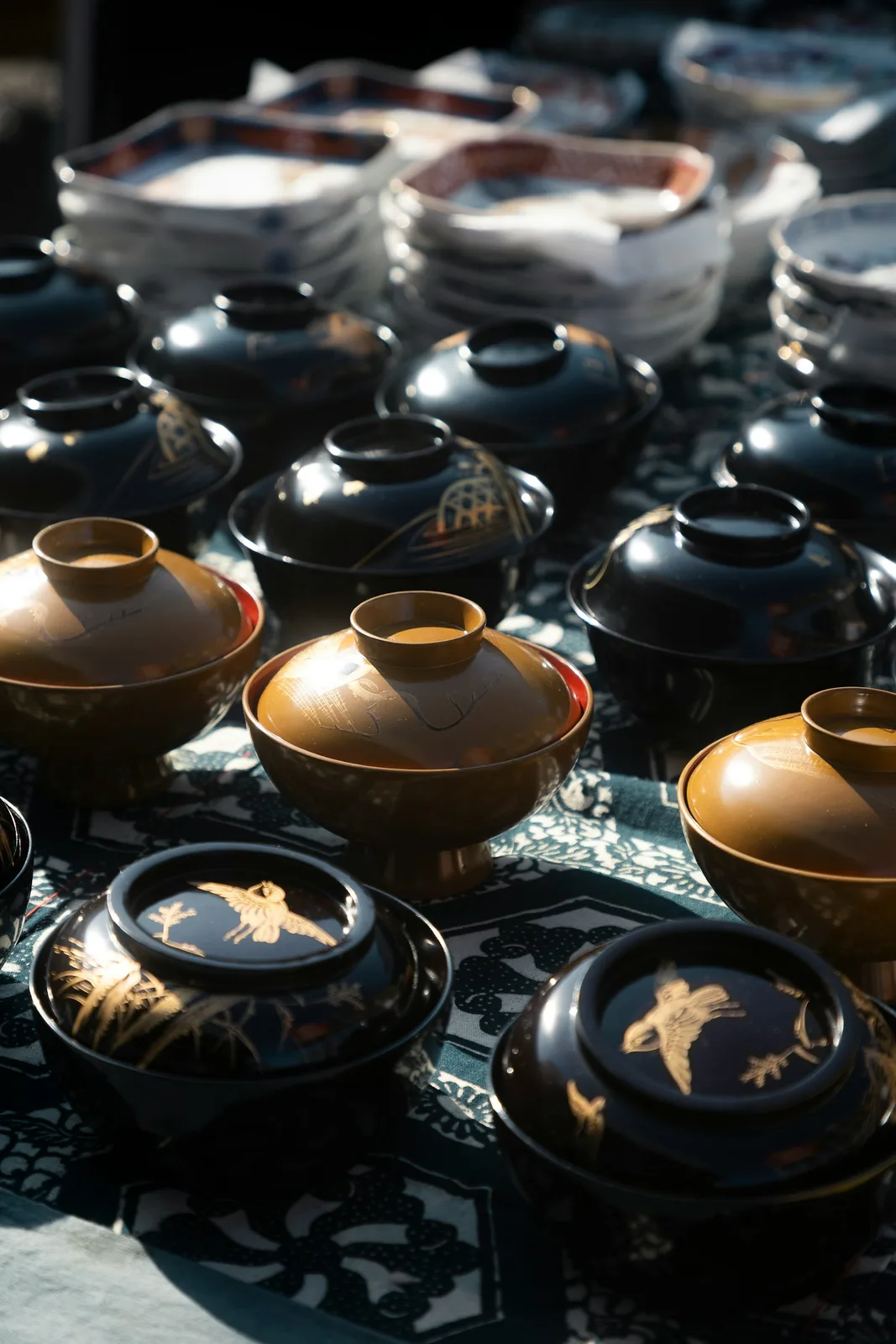
Japan has used lacquer from the urushi tree for around nine thousand years. The same sap that coats bowls and boxes is the glue and filler of every kintsugi repair, which is why the work takes weeks to cure.
Late 1400s
A tea bowl sent back to China
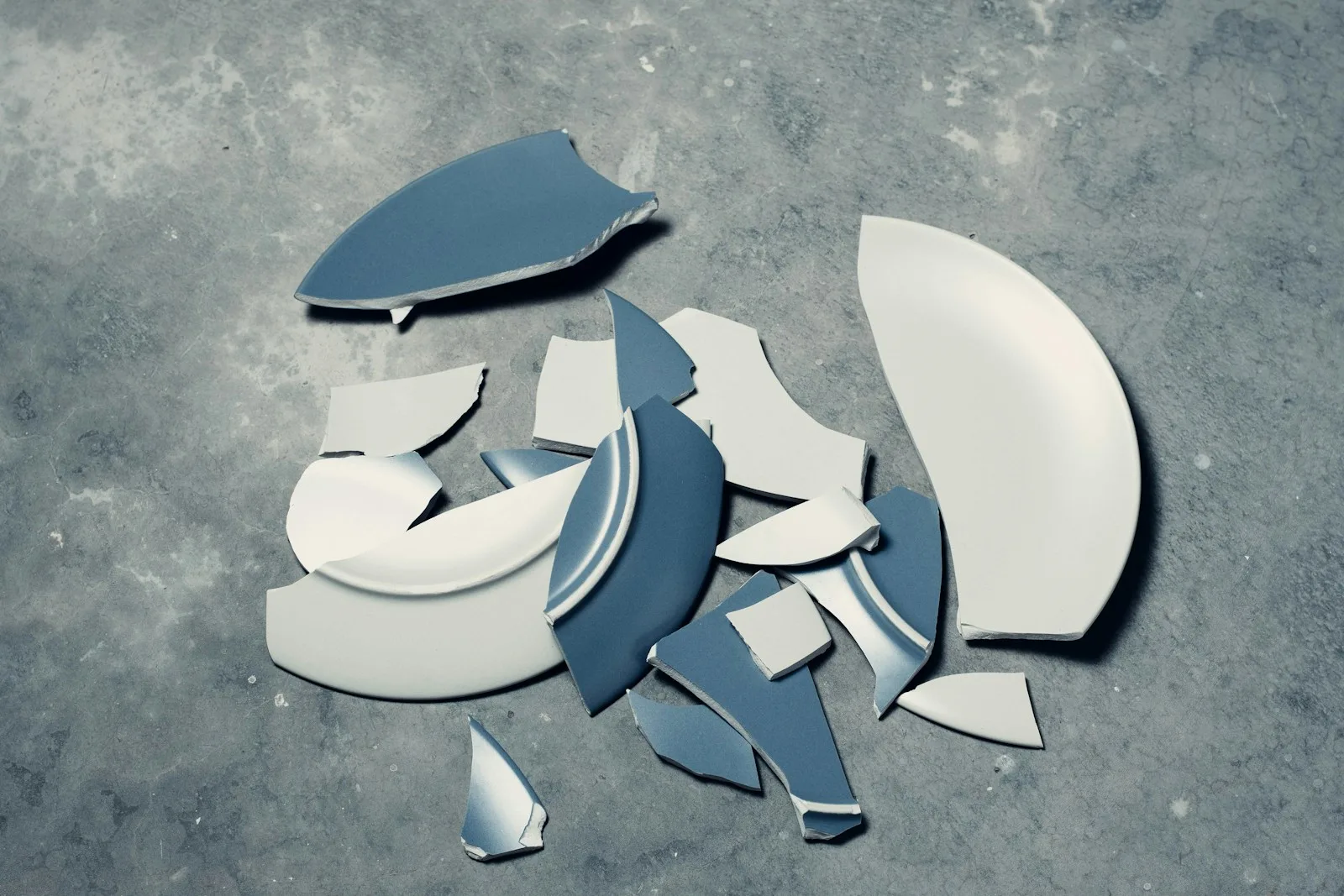
Tradition traces kintsugi to the fifteenth century, when the shogun Ashikaga Yoshimasa is said to have sent a cracked Chinese tea bowl home for repair. It came back held together with metal staples, and Japanese craftsmen looked for a more beautiful way.
1500s
Born in tea culture
Tea masters prized simple, imperfect bowls, and a well-mended bowl could become more valued than an unbroken one. Kintsugi grew alongside the tea ceremony and its taste for wabi-sabi.
1600s–today
Mended with gold
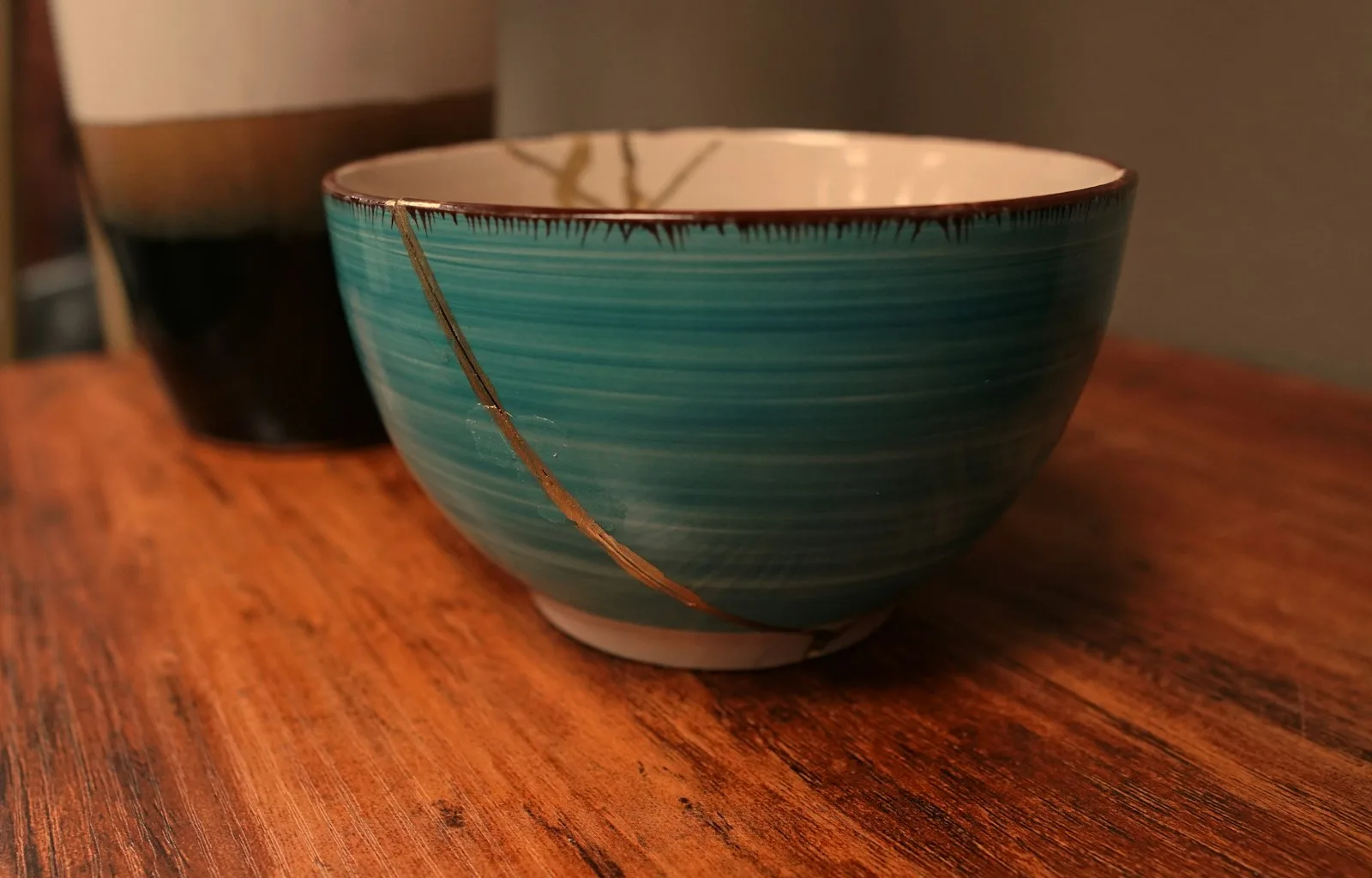
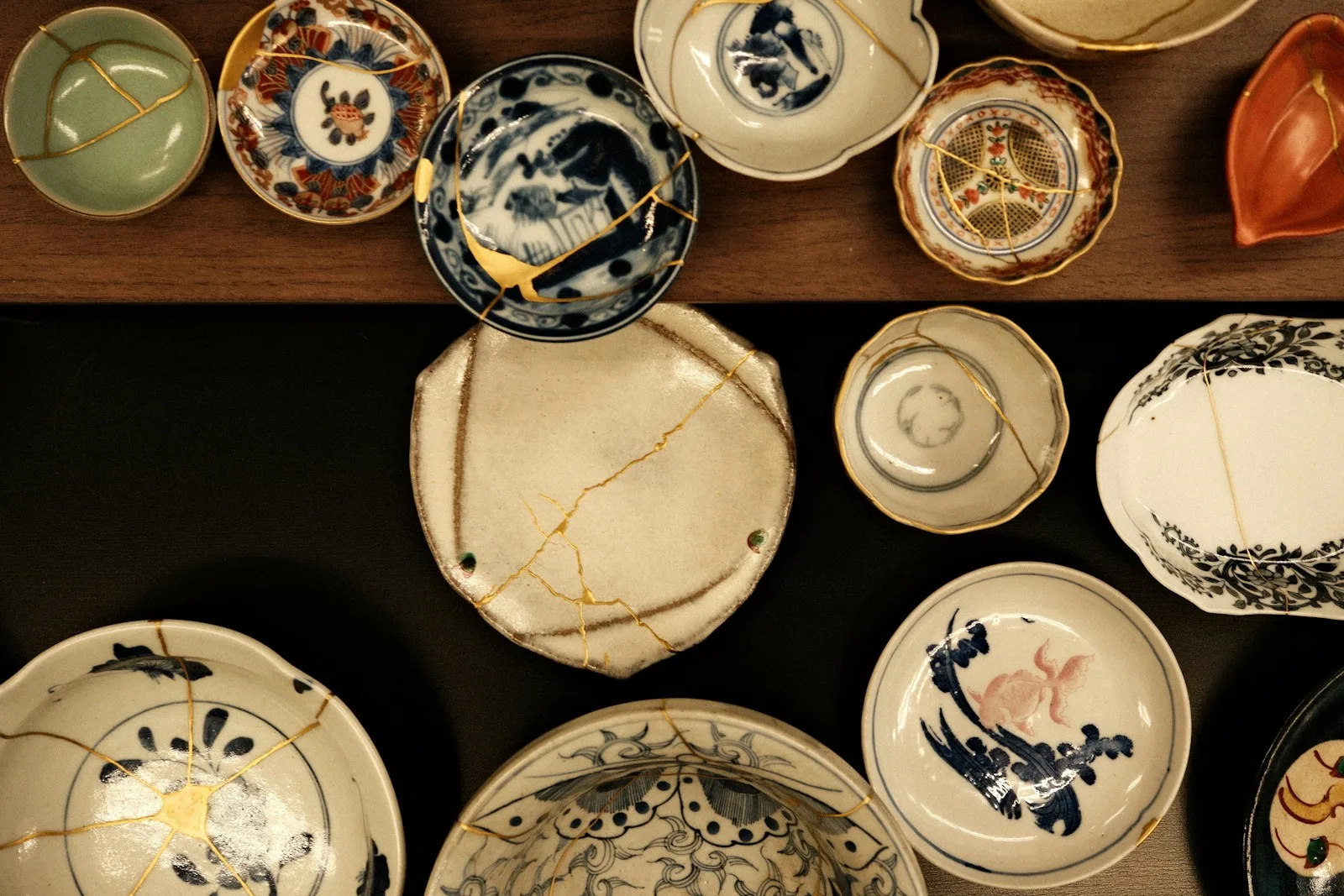
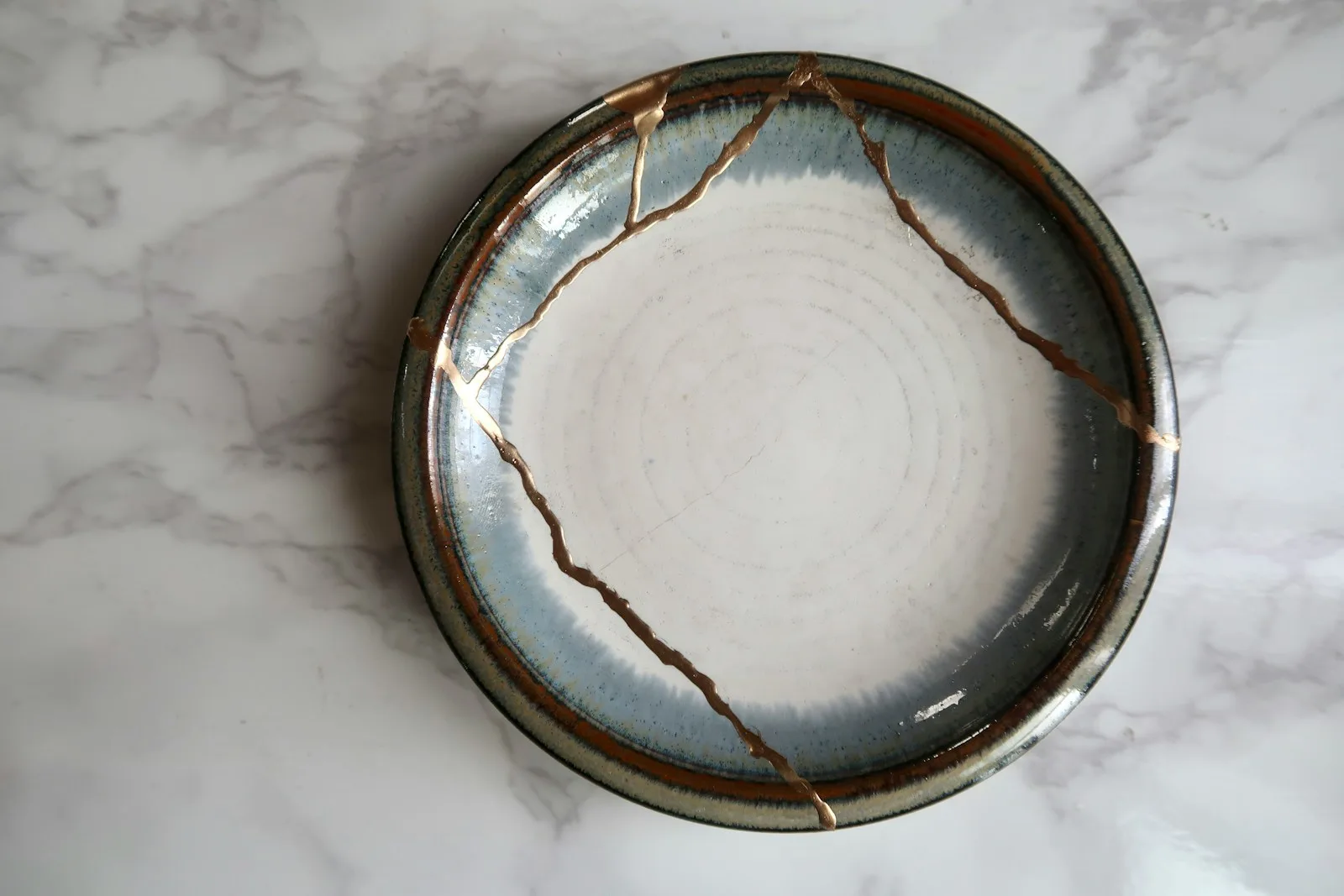
Kintsugi means “golden joinery”. A broken piece is rejoined with urushi lacquer and the seams are dusted with gold, so the repair becomes part of its story instead of being hidden.
Itinerary
How the 120 minutes unfold
Arrival at the lacquer house
You are welcomed into the Hariyo classroom and hear how one family of lacquer merchants has kept urushi in Tokyo for six generations.
Urushi and its materials
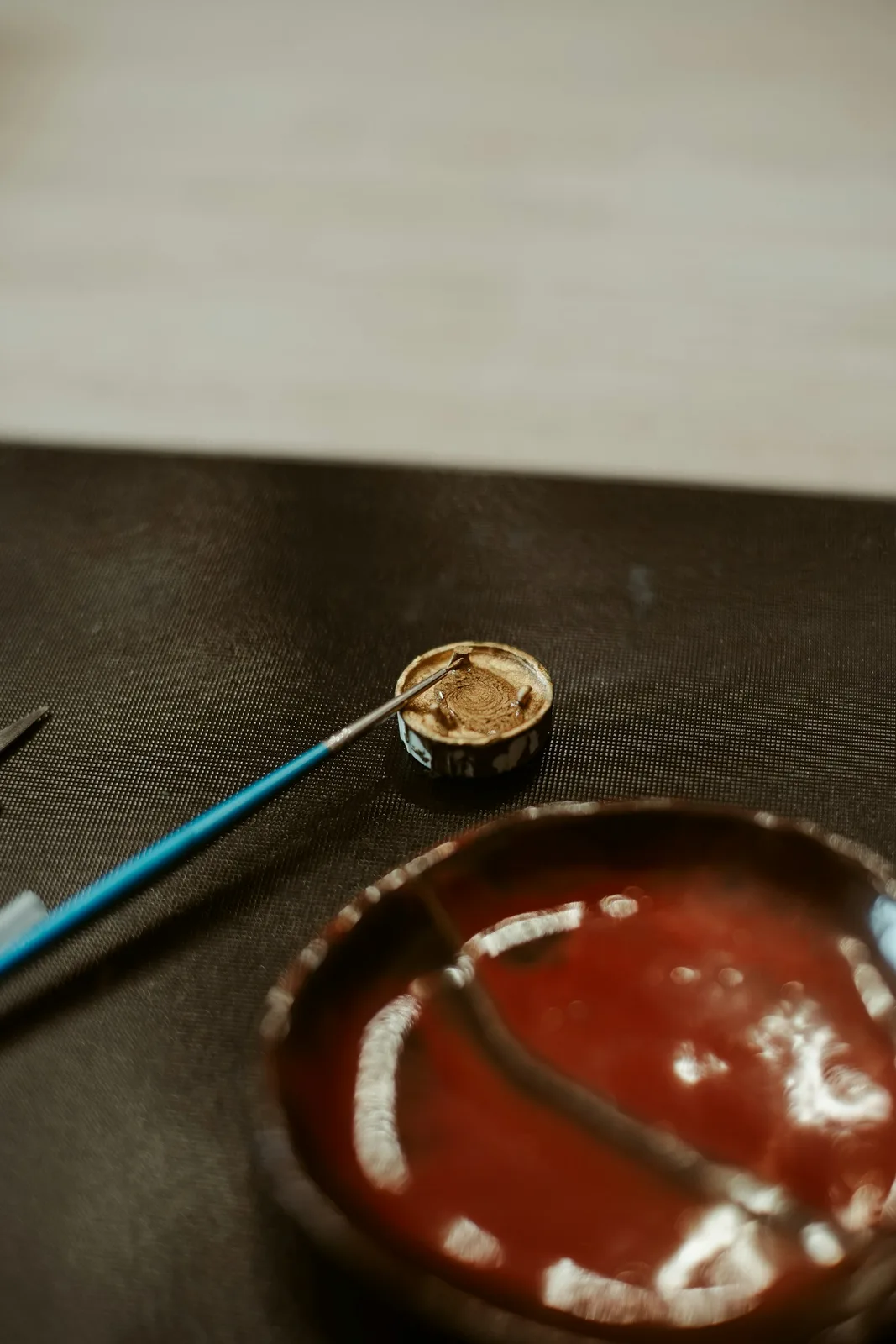
Hakubun Chin shows raw and refined urushi, the sap of the lacquer tree, alongside the rice paste, powdered clay and gold used in a repair, and explains how kintsugi grew out of Japan’s tea culture.
Mending your plate
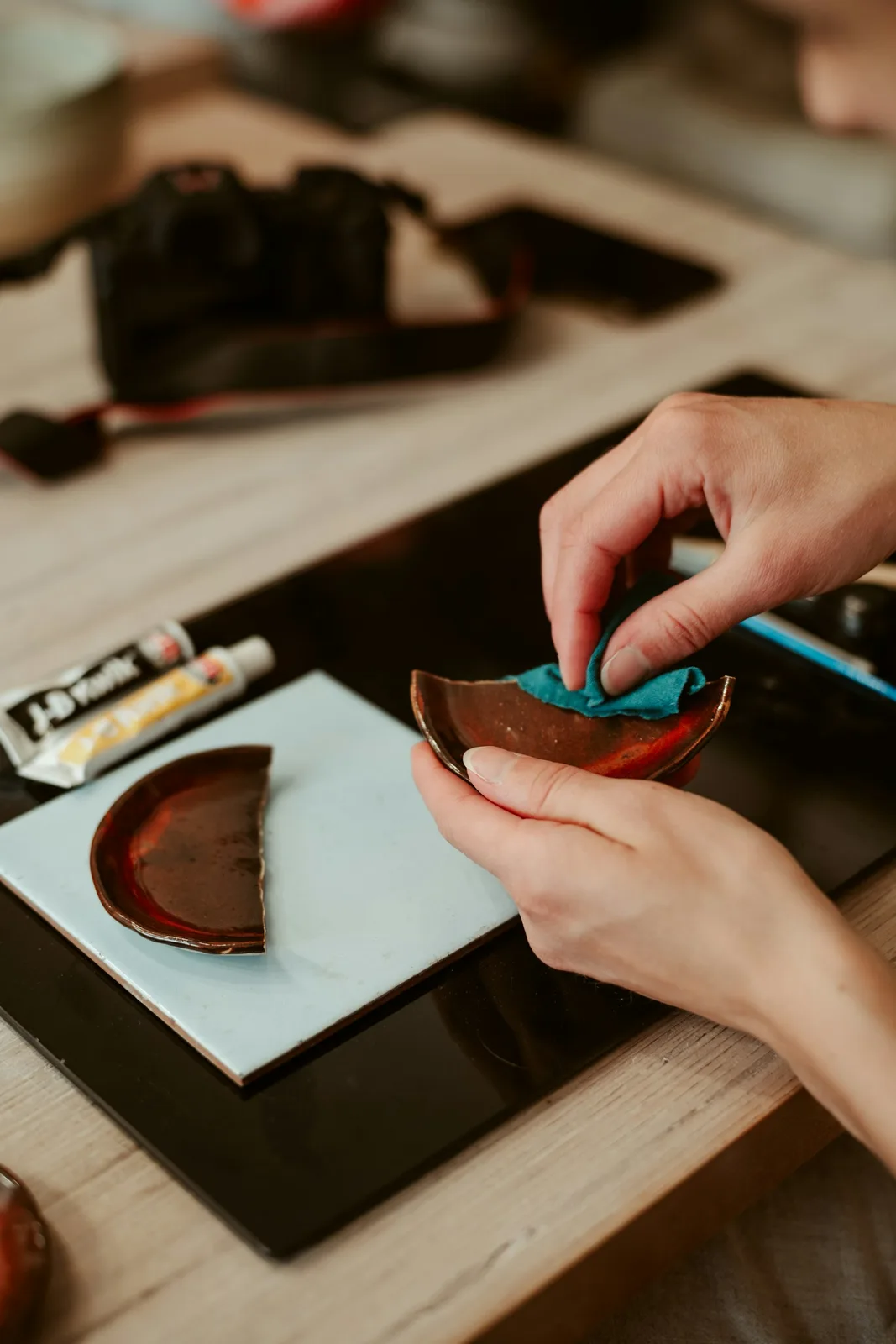
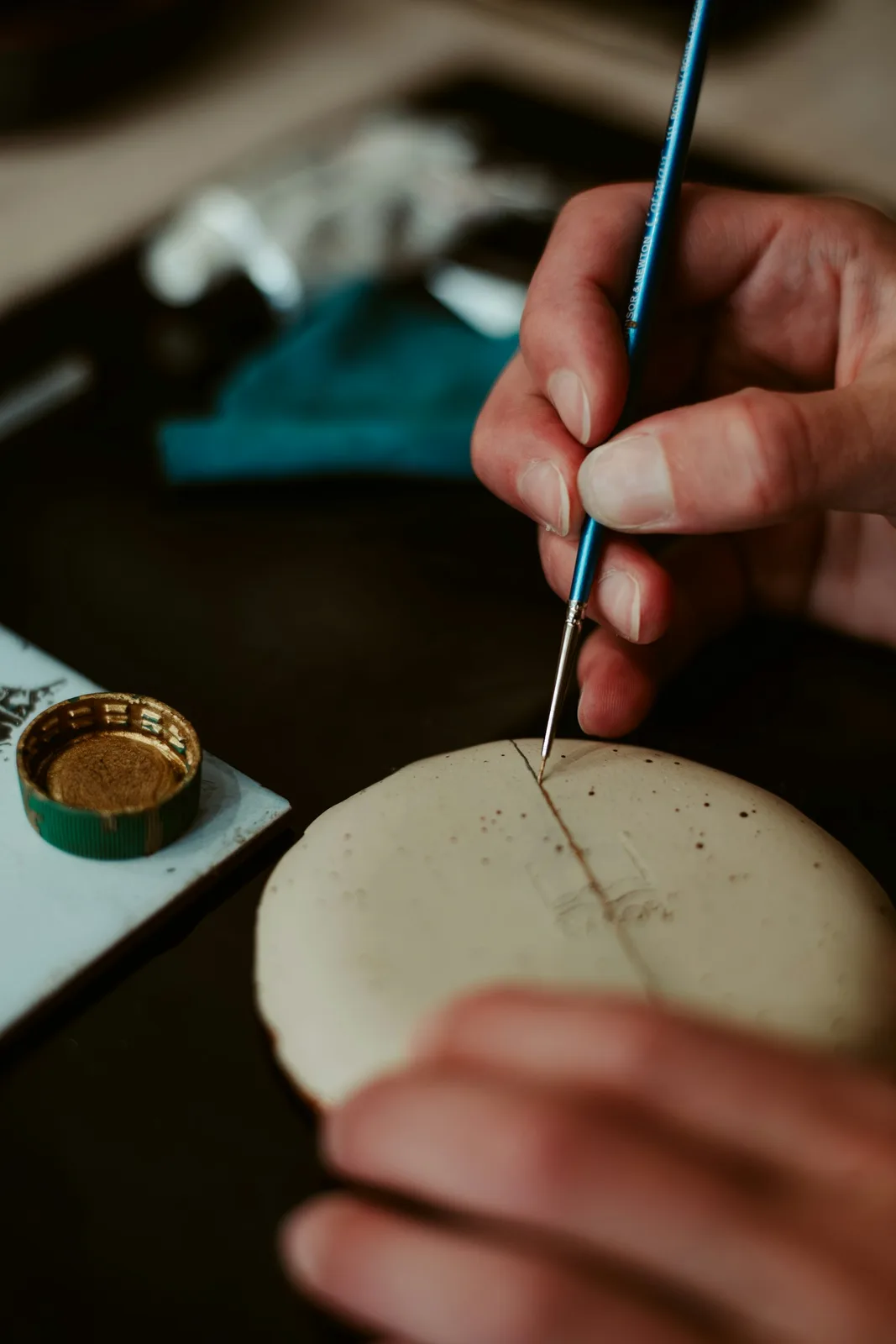
At the workbench you trace the break with urushi and dust it with gold. Real urushi takes weeks to harden, so the earlier layers are prepared in advance and you complete the gold line yourself.
The shop and close
Browse the urushi, brushes and kintsugi sets in the shop, including the beginner’s set the sixth generation designed.
The Studio
The story of Hariyo Urushi
Edo roots
The house has dealt in natural urushi and lacquer tools since the Edo period, supplying the craftspeople who make and repair Japan’s lacquerware.
Merchant values
The family runs the business on the Omi merchants’ principle of sanpo yoshi: good for the seller, good for the buyer, and good for society.
The sixth generation
Kazuo Minoura joined the family business about forty years ago and now leads it as the sixth generation. He is a director of the Japan Lacquer Crafts Association, vice-chair of the National Lacquer Industry Federation and chair of Tokyo’s urushi traders’ fellowship. About twenty years ago he put together one of the first kintsugi sets for beginners, at a time when none were sold anywhere in Japan.
The classroom today
The Hariyo lacquer craft classroom runs some 46 classes a week in kintsugi, maki-e and Kamakura-bori, taught by working lacquer artists. It works only with natural urushi, and keeps humidity cabinets for curing lacquer and kilns for the metal powders.

Your instructor
Hakubun Chin · 陳博文
Lacquer artist and kintsugi instructor at the Hariyo classroom
Hakubun Chin has studied ceramics and lacquer since his teens and completed his graduate studies at Tokyo University of the Arts. His lacquer work received the Forestry Agency Director-General’s Prize at the 29th Urushi no Bi exhibition, held to celebrate lacquer as part of Japanese culture.
At Hariyo, he teaches the kintsugi and maki-e classes on Wednesdays and Fridays and leads the classroom’s intensive courses. Students know him for his calm manner and careful guidance.
Graduate of Tokyo University of the Arts
Forestry Agency Director-General’s Prize, 29th Urushi no Bi exhibition
Kintsugi and maki-e instructor, Hariyo lacquer craft classroom
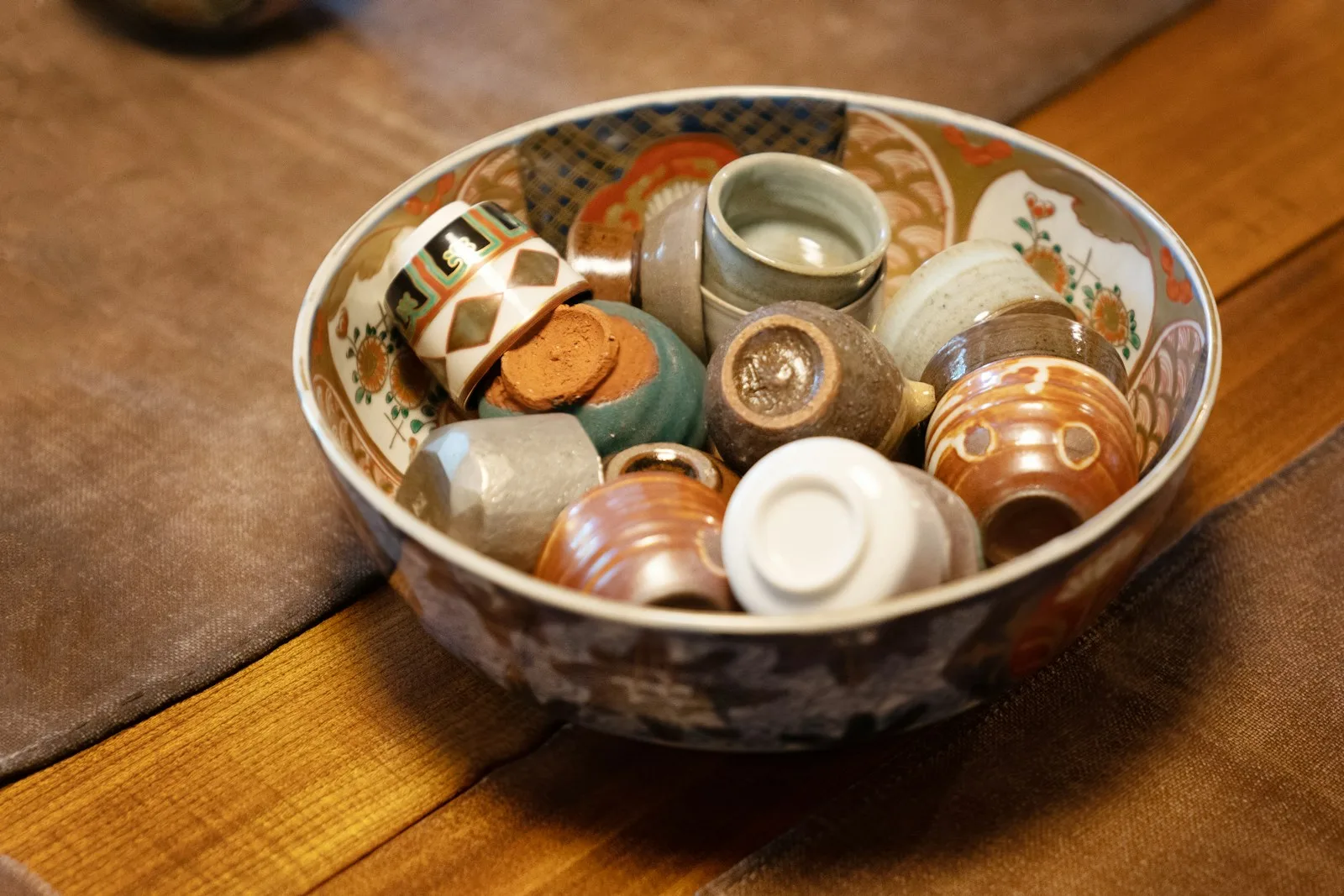
Included
Private guide and interpreter
An introduction to urushi and kintsugi
All materials, and your mended plate
Group size
Private for one to four guests. For a larger family, ask us about booking two sessions back to back.
Before you go
Urushi lacquer can be difficult to launder and hard on sensitive skin until it dries. So wear items you don't mind potentially damaging and let us know in advance if your skin is sensitive. Arrive a few minutes early, as the classroom runs to a set schedule.
Booking
Choose your date
Pick the number of guests, a date and a time. You pay securely on the next page.
Where we meet
Between Ueno and Akihabara
The classroom is in Taito Ward, in a neighbourhood long known for craftsmen and wholesalers. It sits on the third and fourth floors of a small building, a short walk from several stations.
Less than a minute on foot from Naka-Okachimachi Station, exit 1
Tokyo Metro Hibiya Line, with JR Okachimachi Station close by
Your guide meets you at the station exit
Prefer us to meet you at your accommodation? Let us know and we will take you door to door.
You might also like
More time with Tokyo's makers
Heritage & Craft
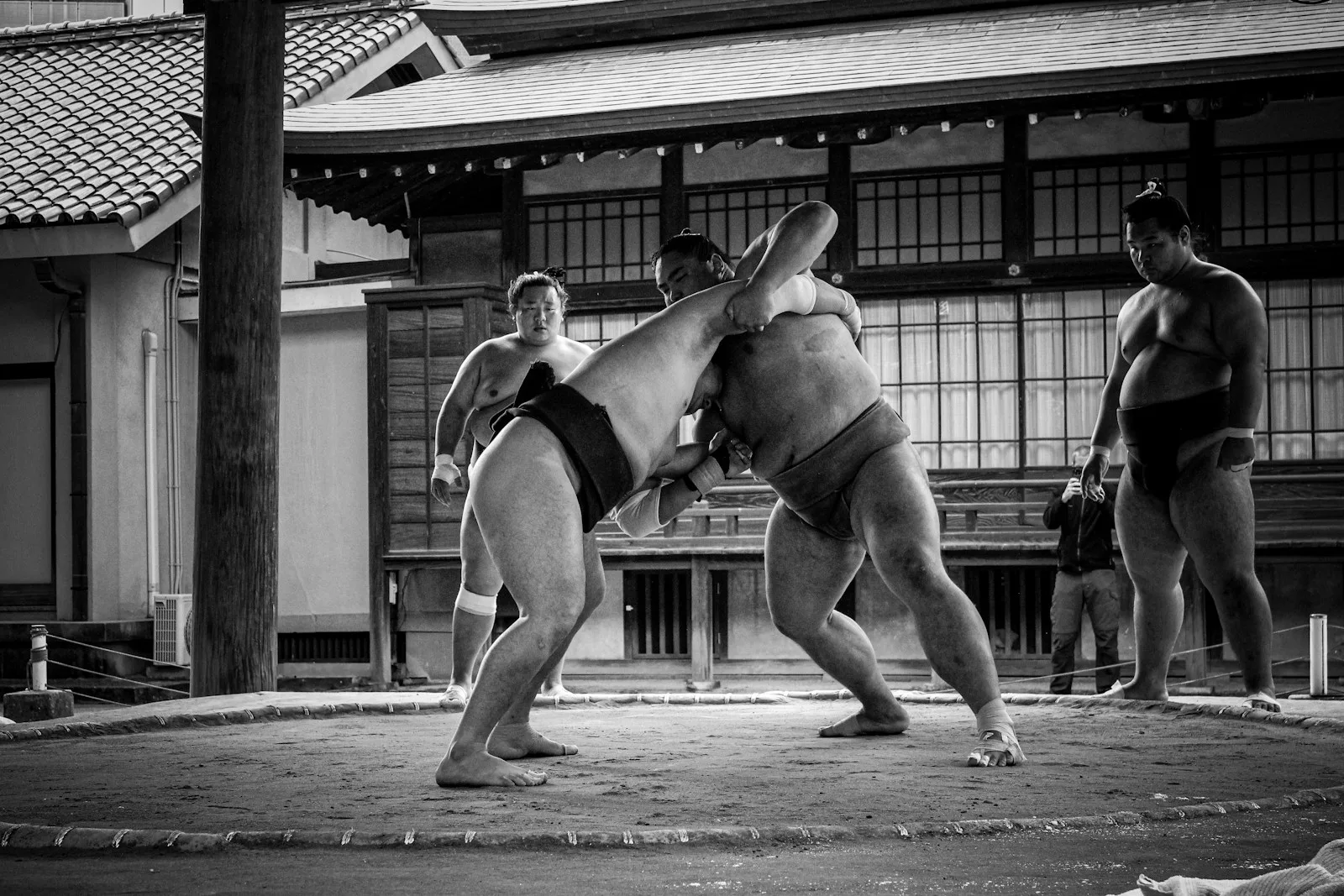
Morning sumo practice
Sit a few metres from the ring as wrestlers train at a Ryogoku stable, with every drill explained as it happens.
Heritage & Craft
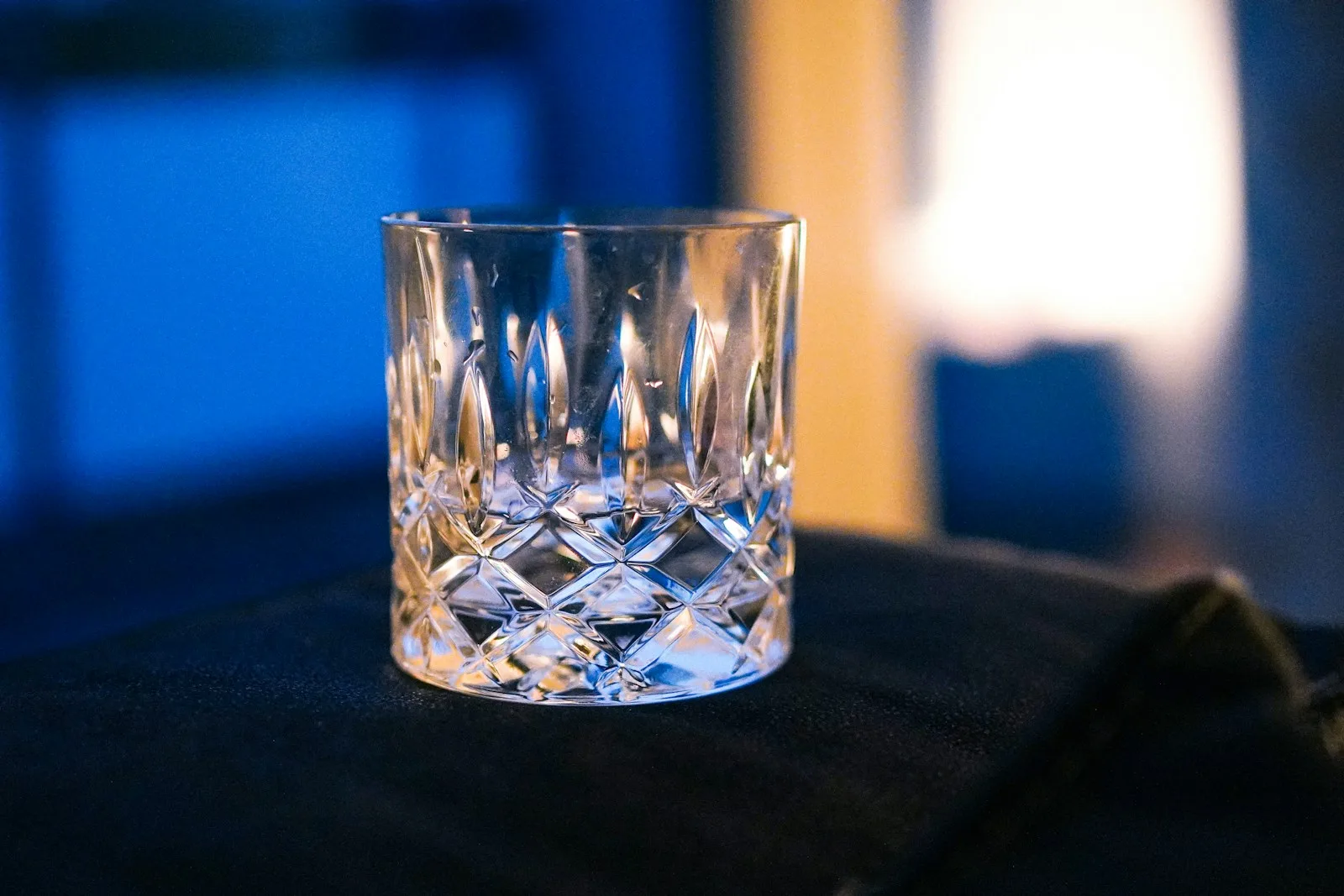
Edo kiriko glass cutting
Cut a pattern into your own glass under the eye of a kiriko artisan in the old Sumida workshops.
Heritage & Craft
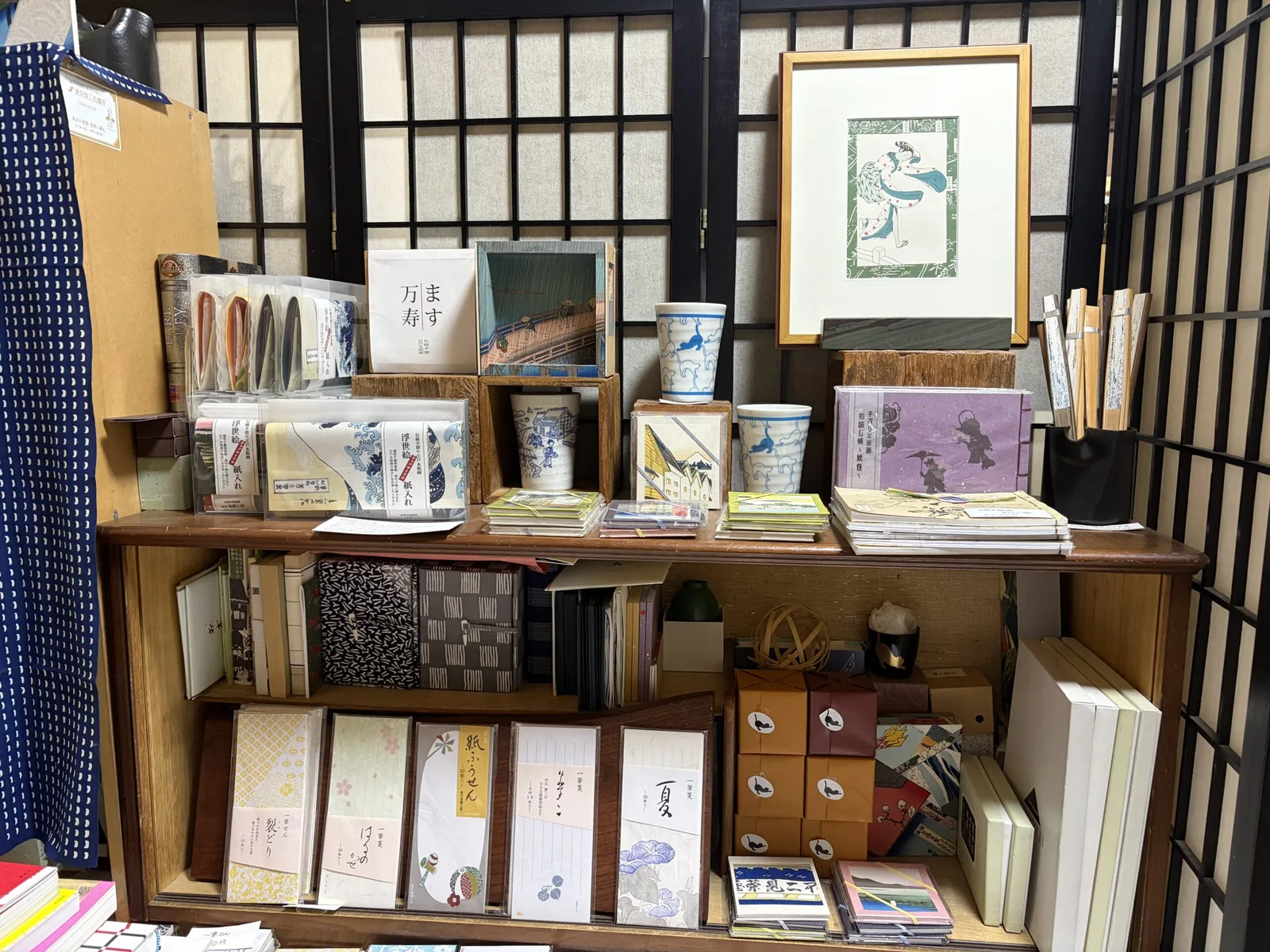
Ukiyo-e woodblock printing
Print your own image at Takahashi Kobo, Tokyo's oldest working ukiyo-e studio, guided by the sixth generation.
Heritage & Craft
A day in the tea fields
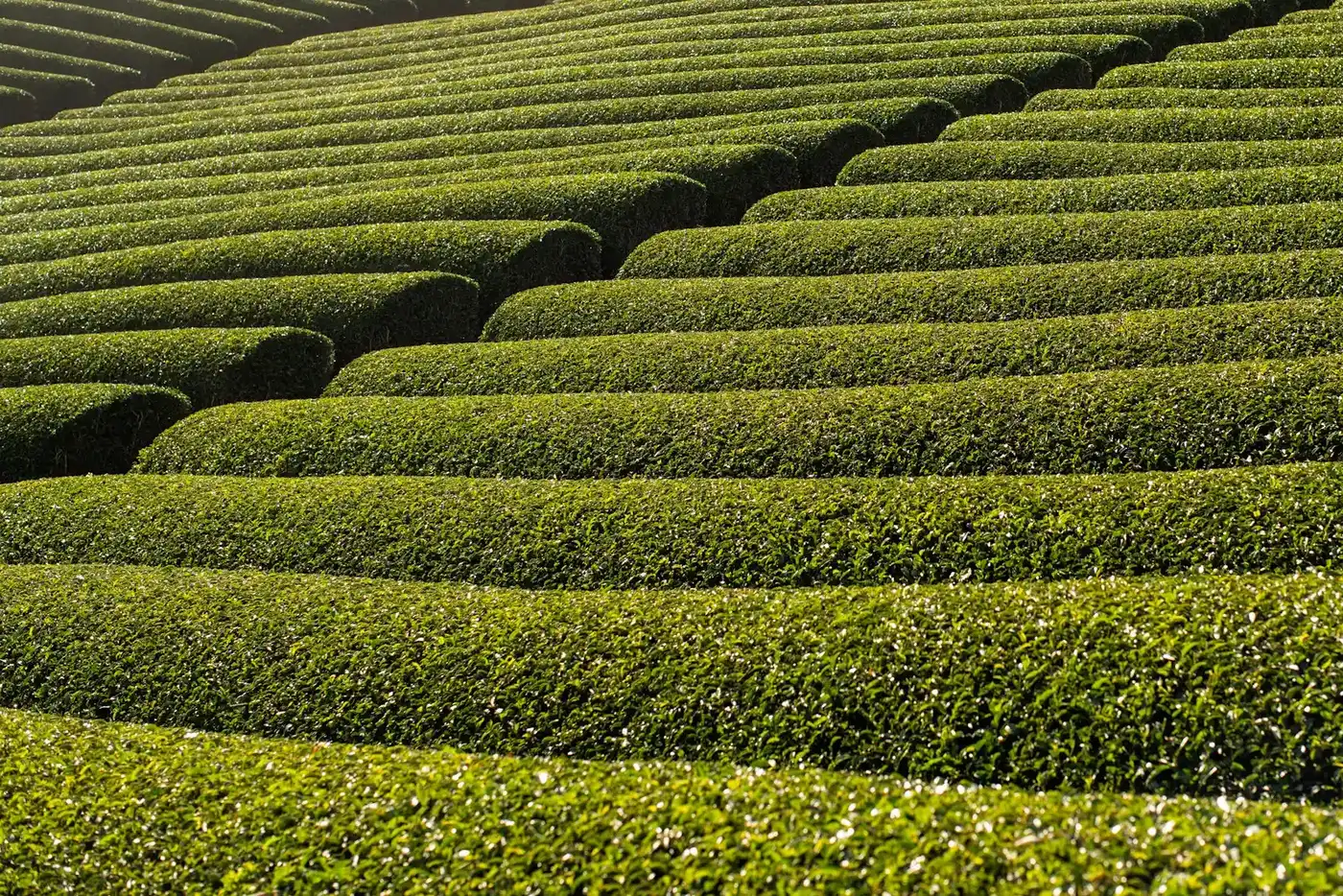
Walk the terraced fields of Wazuka with a family of growers, then taste this year's leaf in their kitchen.