Heritage & Craft · Tokyo
The Ukiyo-e Experience
Overview
120 minutes inside a studio founded in the 1850s
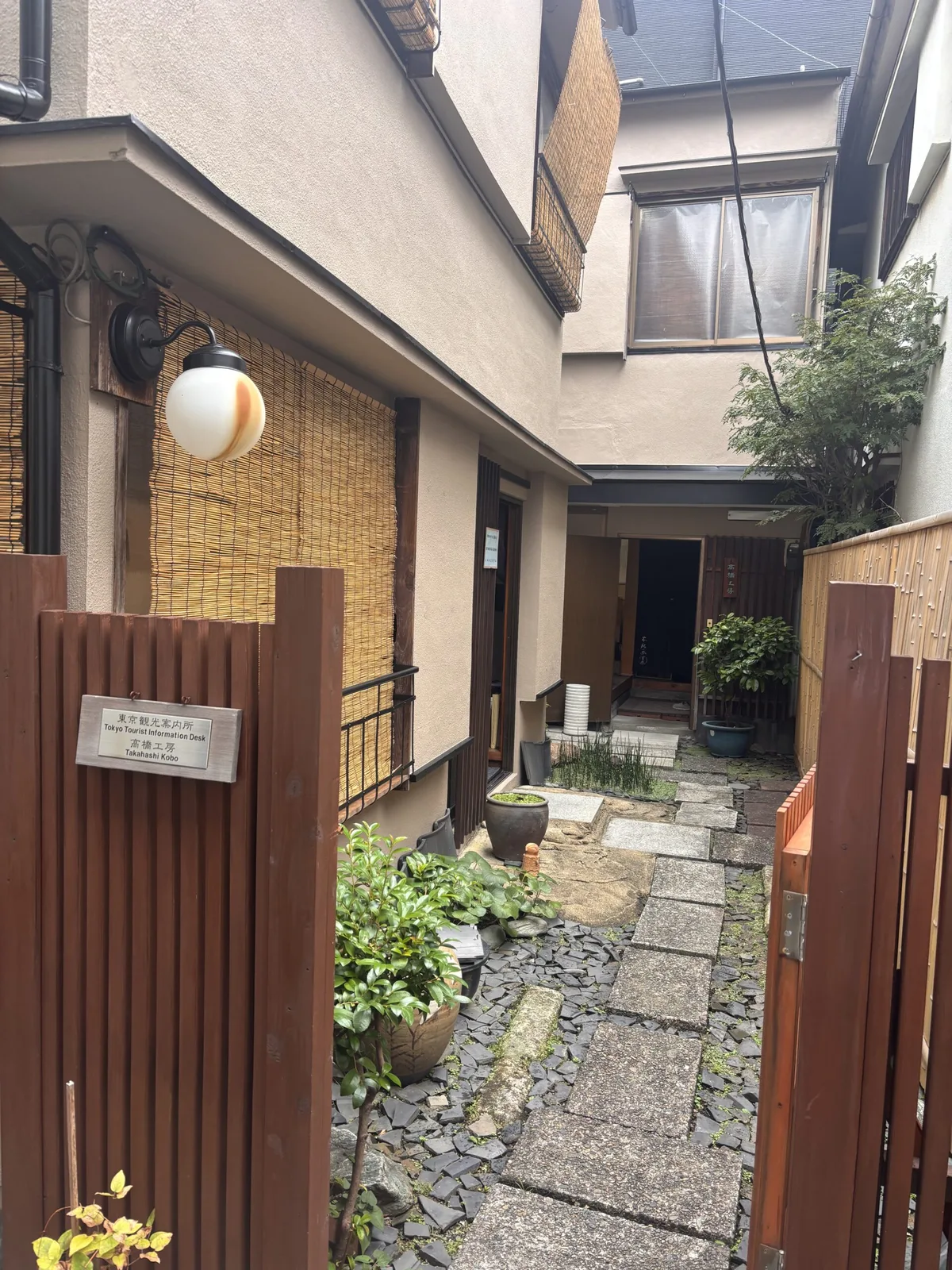
Takahashi Kobo sits in Bunkyo, Tokyo, and has printed ukiyo-e without a break since the Ansei period (1854 to 1860). Yukiko Takahashi, the sixth generation to run it, opens the studio to small groups by reservation.
You will hear how these prints were made and sold in Edo, watch the carving up close, then pull a print of your own with the studio's tools. Your guide translates throughout, so ask anything.
Print your own ukiyo-e and take it home
Only your group in the studio
Guide and interpreter with you throughout
History
Pictures of the floating world
1670s
Born in Edo
Ukiyo-e, “pictures of the floating world”, grew up in the late seventeenth century around the theatres, teahouses and pleasure quarters of Edo. Hishikawa Moronobu, working from the 1670s, is often called its first master.
1700s–1800s
Art for everyone
Woodblocks made it possible to print hundreds of copies from one design. A single print cost about as much as a bowl of soba noodles, roughly 500 yen today, so ordinary townspeople could buy them.
1700s–1860s
Snapshots before photography
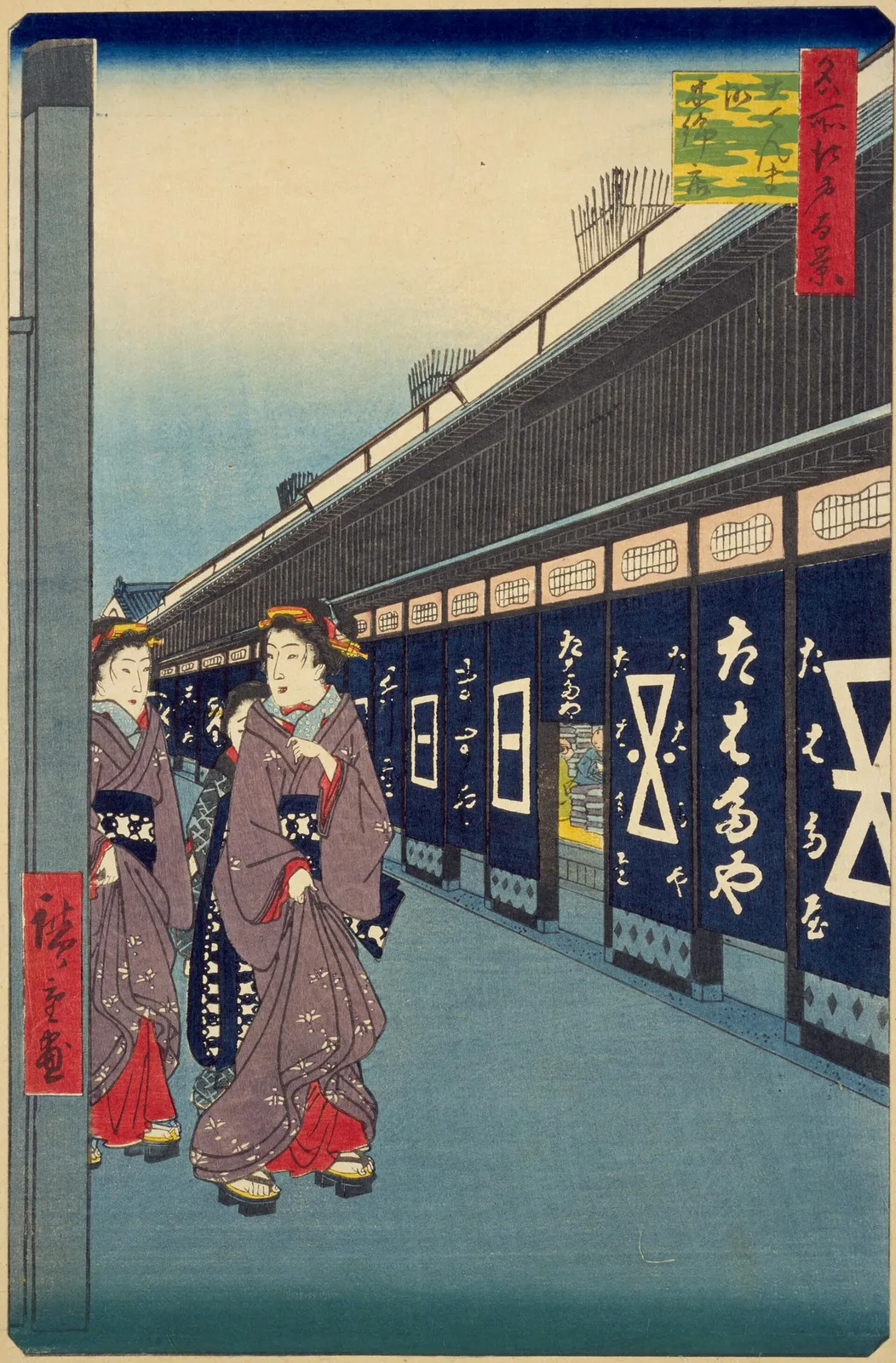
Before cameras, prints were how people saw kabuki stars, famous beauties, sumo wrestlers, festivals and far-off places. They worked like posters, magazines and postcards rolled into one.
1765
Colour by colour
Full-colour printing arrived in 1765 with Suzuki Harunobu’s nishiki-e, “brocade pictures”. Each colour needed its own carved block, lined up by hand with small registration marks.
1830s–1890s
Hokusai, Hiroshige and the world
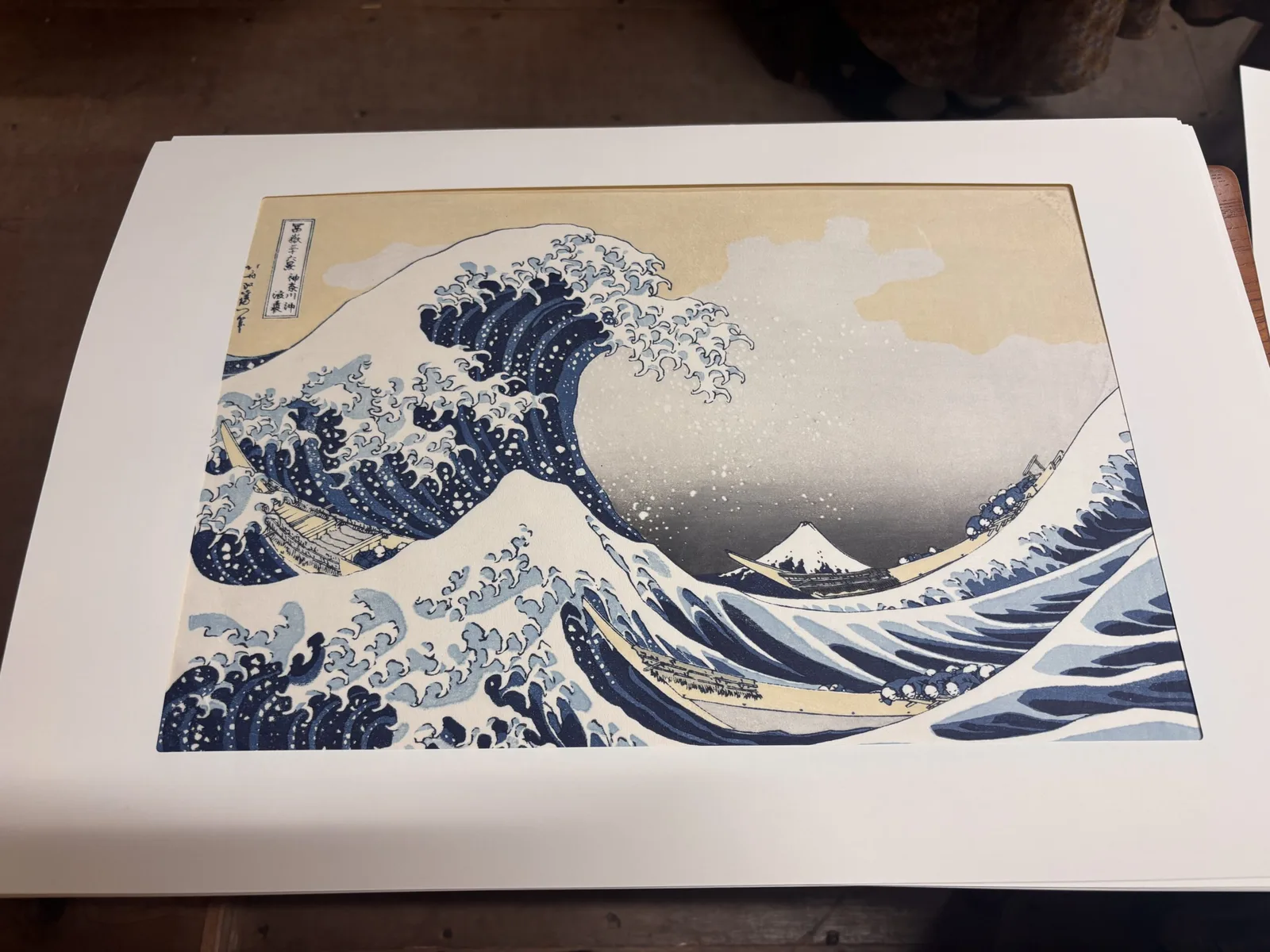
Hokusai’s Great Wave and Hiroshige’s views of Edo reached Europe in the nineteenth century, where they inspired Monet, Van Gogh and the craze known as Japonisme.
Itinerary
How the 120 minutes unfold
Arrival and studio tour
You are welcomed into the workshop and introduced to the history of the studio, and of ukiyo-e itself, by the family who runs it.
The art of carving
The artisans show how a design is cut into cherry-wood blocks, one block for each colour, and explain the tools handed down through the family. You also see the kento, the small notches that keep every colour in register.
Printing your own
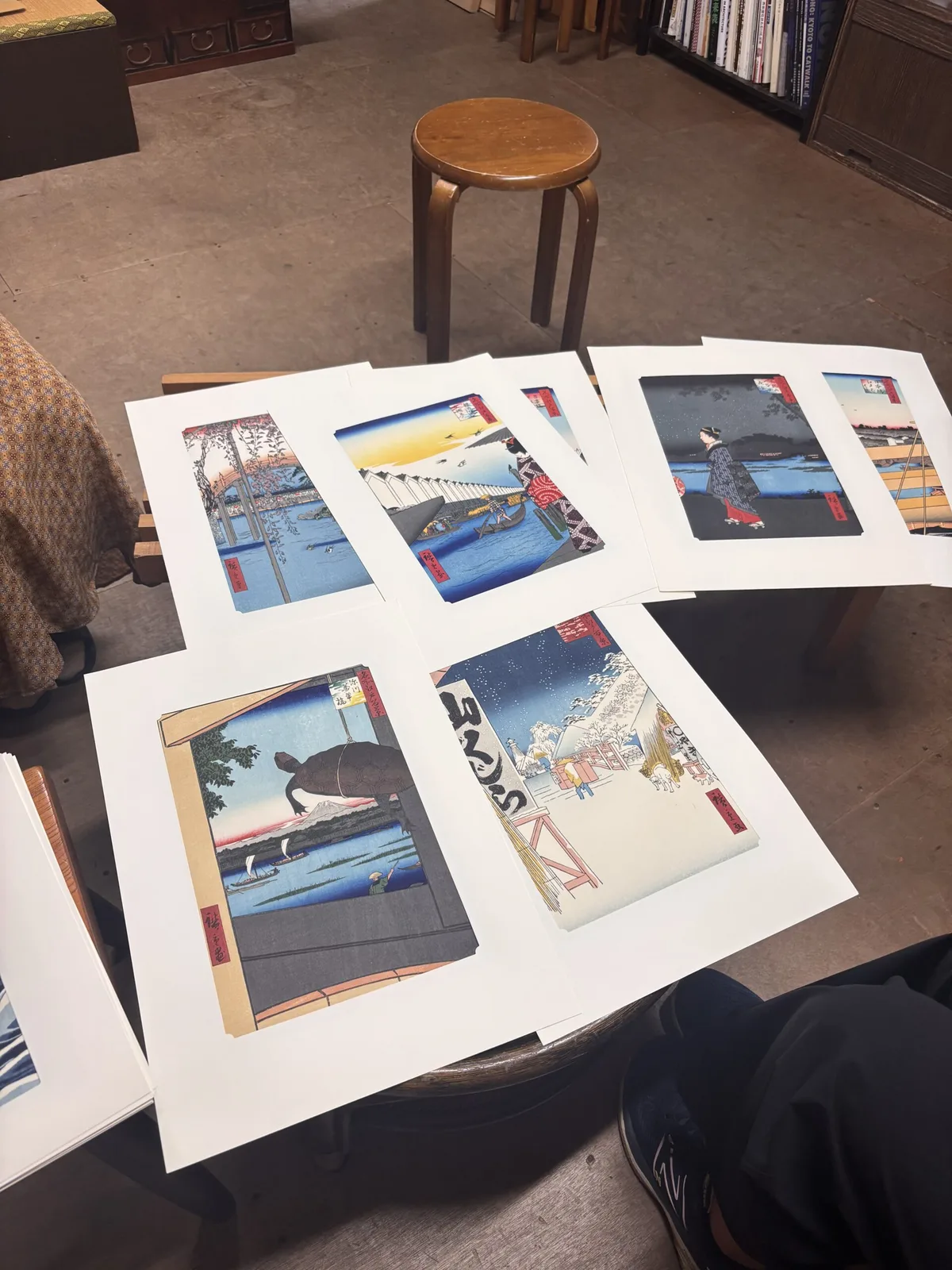
At the workbench you brush on pigment, lay the paper and press it with a baren. Colour by colour, you build up a finished print to take home, and the printers show you bokashi, the soft gradation behind Hiroshige’s skies.
Gallery and close
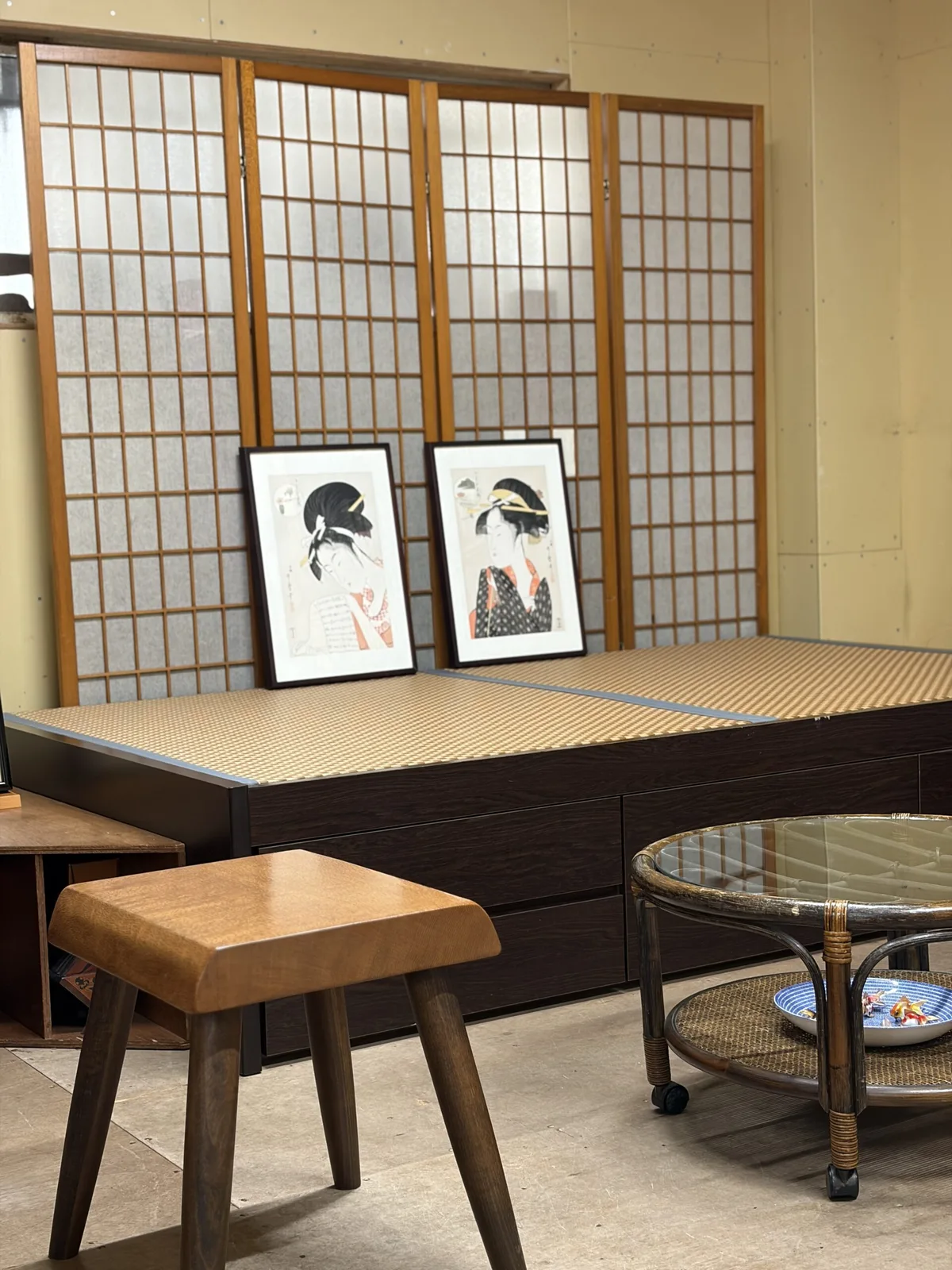
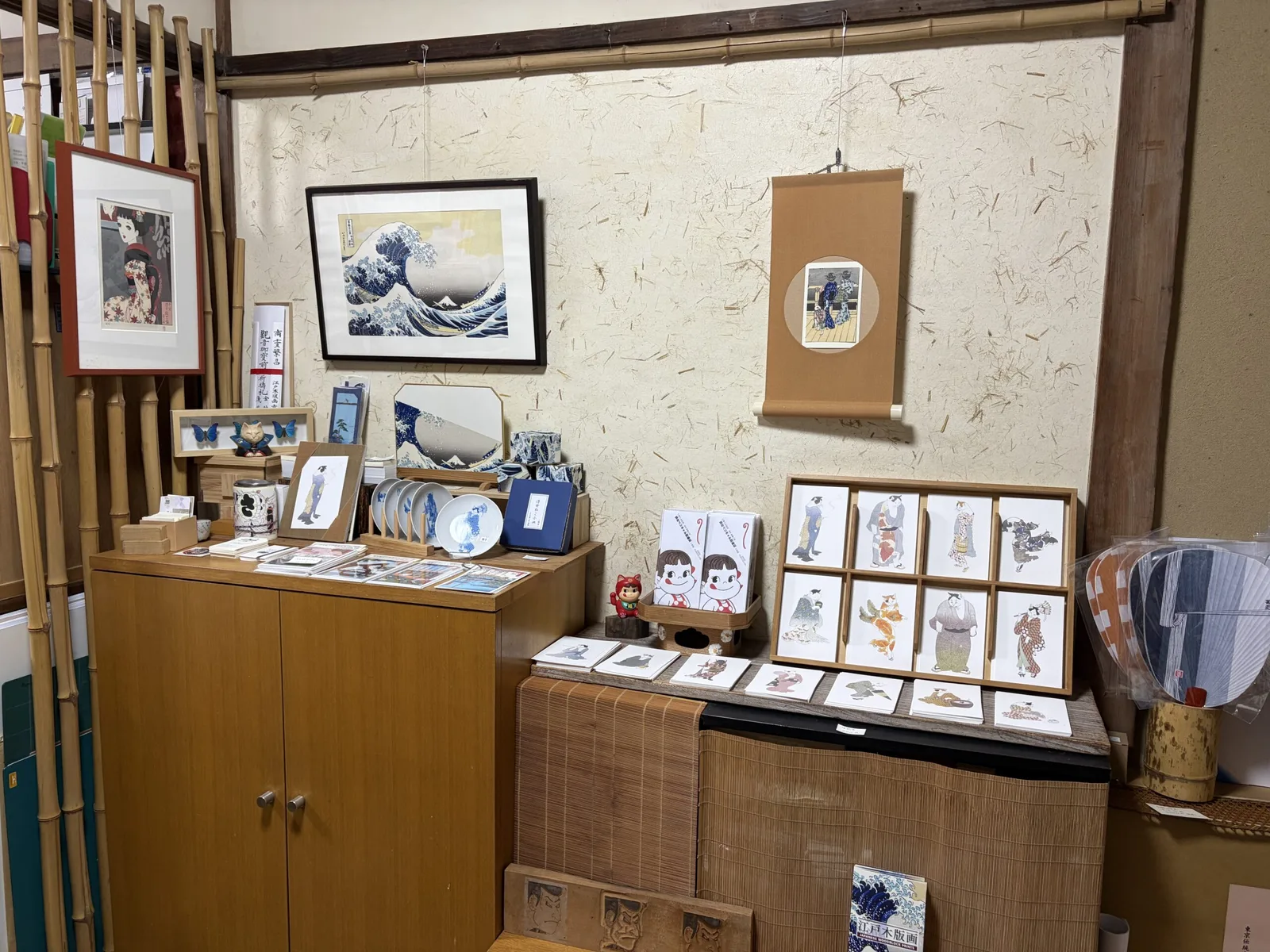
Browse the studio gallery of finished prints and hear the stories behind the classic images before you leave.
The Studio
The story of Takahashi Kobo
Edo roots
Kuranosuke Takahashi founded the studio in the Ansei period (1854 to 1860), more than 160 years ago. It is the oldest ukiyo-e workshop still operating in Tokyo.
From printers to publishers
The family began as surishi, the printers who ink the blocks and pull each sheet. By the fourth generation they had become hanmoto, publishers who oversee a print from plan to sale.
Three crafts, one studio
As publisher, the studio brings together the three crafts behind every print: the eshi who draws the design, the horishi who carves the cherry-wood blocks and the surishi who prints them by hand.
The studio today
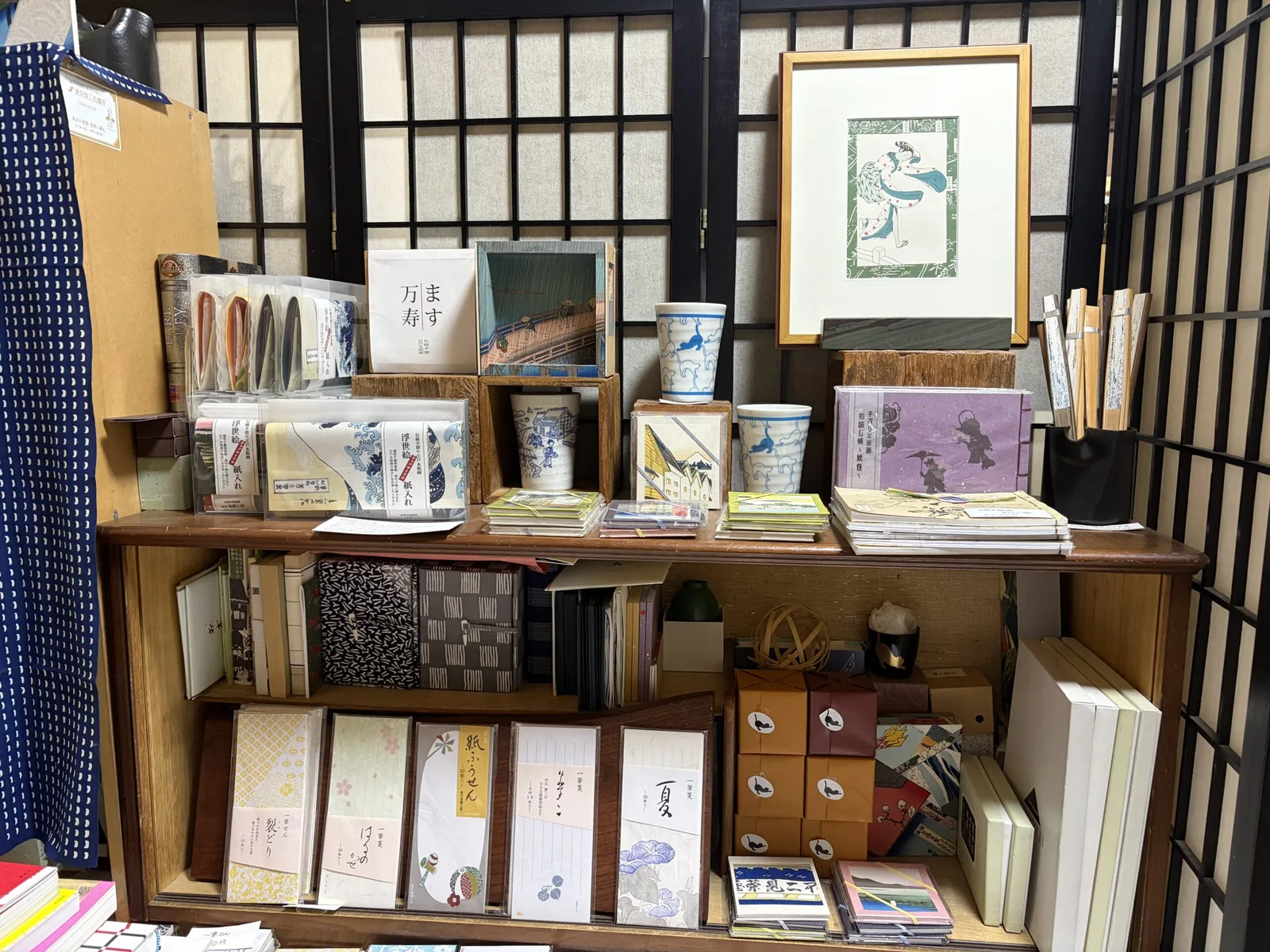
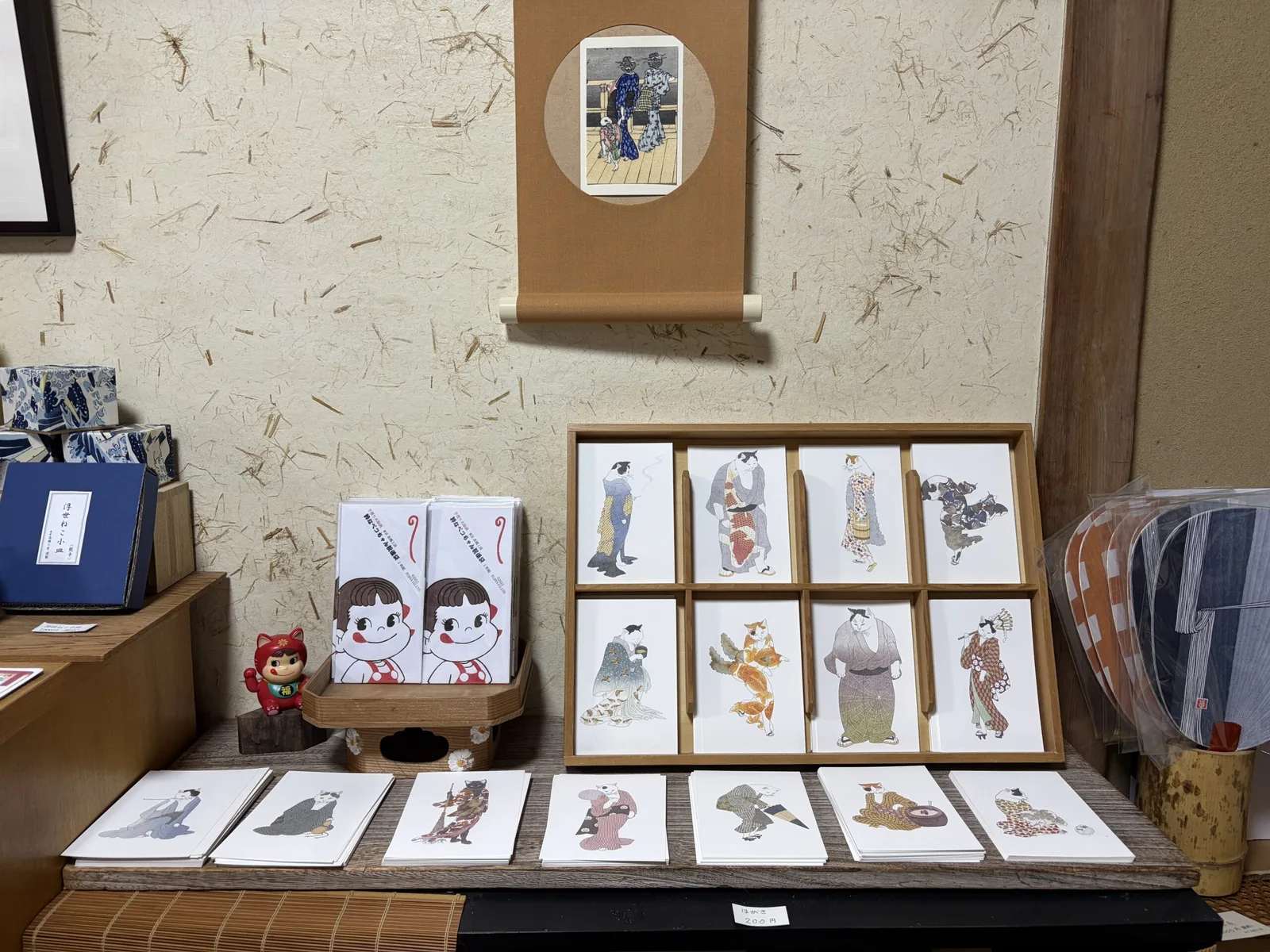
Alongside museum-quality reproductions of Hokusai and Hiroshige, the studio works with contemporary artists and designers, including the architect Kengo Kuma, and was chosen for Tokyo’s Tokyo Teshigoto craft programme in 2022.
Your instructor
Yukiko Takahashi
Sixth-generation head of Takahashi Kobo
Born in Kanda and raised in Nihonbashi, Yukiko Takahashi grew up in a family of Edo woodblock printers. Her father, the fourth generation, trained her for the publisher’s role, and she also studied printing and scroll mounting before succeeding her brother as head of the studio in 2009.
As publisher she brings together the artist, carver and printer behind every print. She has lectured at the British Museum and the Detroit Institute of Arts, appeared on NHK’s Sunday Museum, and advised on the printing scenes of the NHK drama Kurara: Hokusai’s Daughter.
Chair, Tokyo Traditional Woodblock Print Craft Cooperative
Vice-chair, Society for the Preservation of Ukiyo-e Carving and Printing
Recognised as a Bunkyo Ward master craftsperson (2019)
Included
Private guide and interpreter
Studio tour and carving demonstration
All materials, and your finished print
Group size
Private for one to four guests. For a larger family, ask us about booking two sessions back to back.
Before you go
Wear clothes you don't mind getting a little ink on. Arrive a few minutes early, as the studio runs to a set schedule.
Booking
Choose your date
Pick the number of guests, a date and a time. You pay securely on the next page.
Where we meet
A quiet corner of Bunkyo
The studio is in Suido, a residential part of Bunkyo Ward, well away from the neon districts. The streets are calm, which suits slow and careful work.
5 minutes on foot from Edogawabashi Station
Tokyo Metro Yurakucho Line
Your guide meets you at the station exit
Prefer us to meet you at your accommodation? Let us know and we will take you door to door.
You might also like
More time with Tokyo's makers
Heritage & Craft
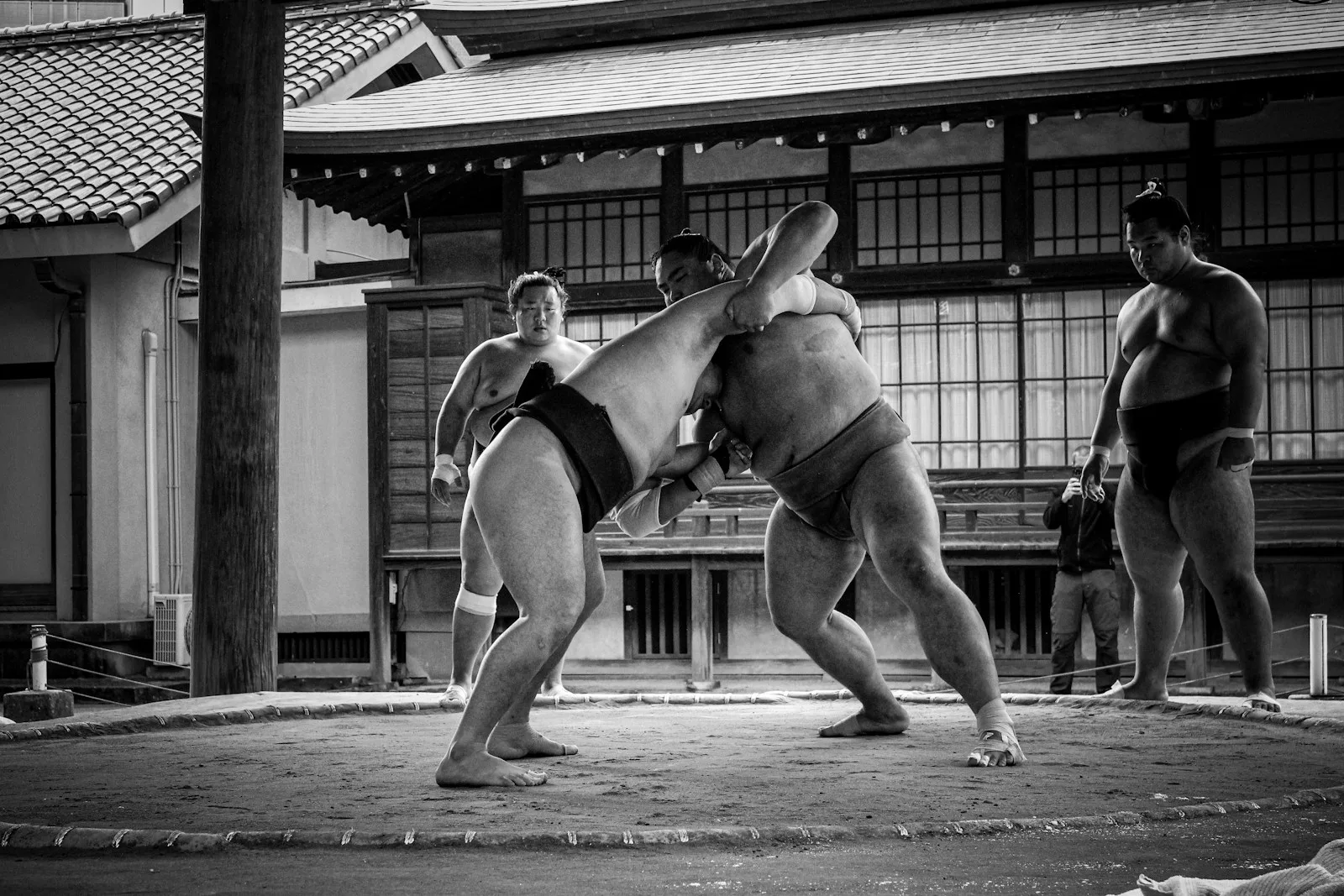
Morning sumo practice
Sit a few metres from the ring as wrestlers train at a Ryogoku stable, with every drill explained as it happens.
Heritage & Craft
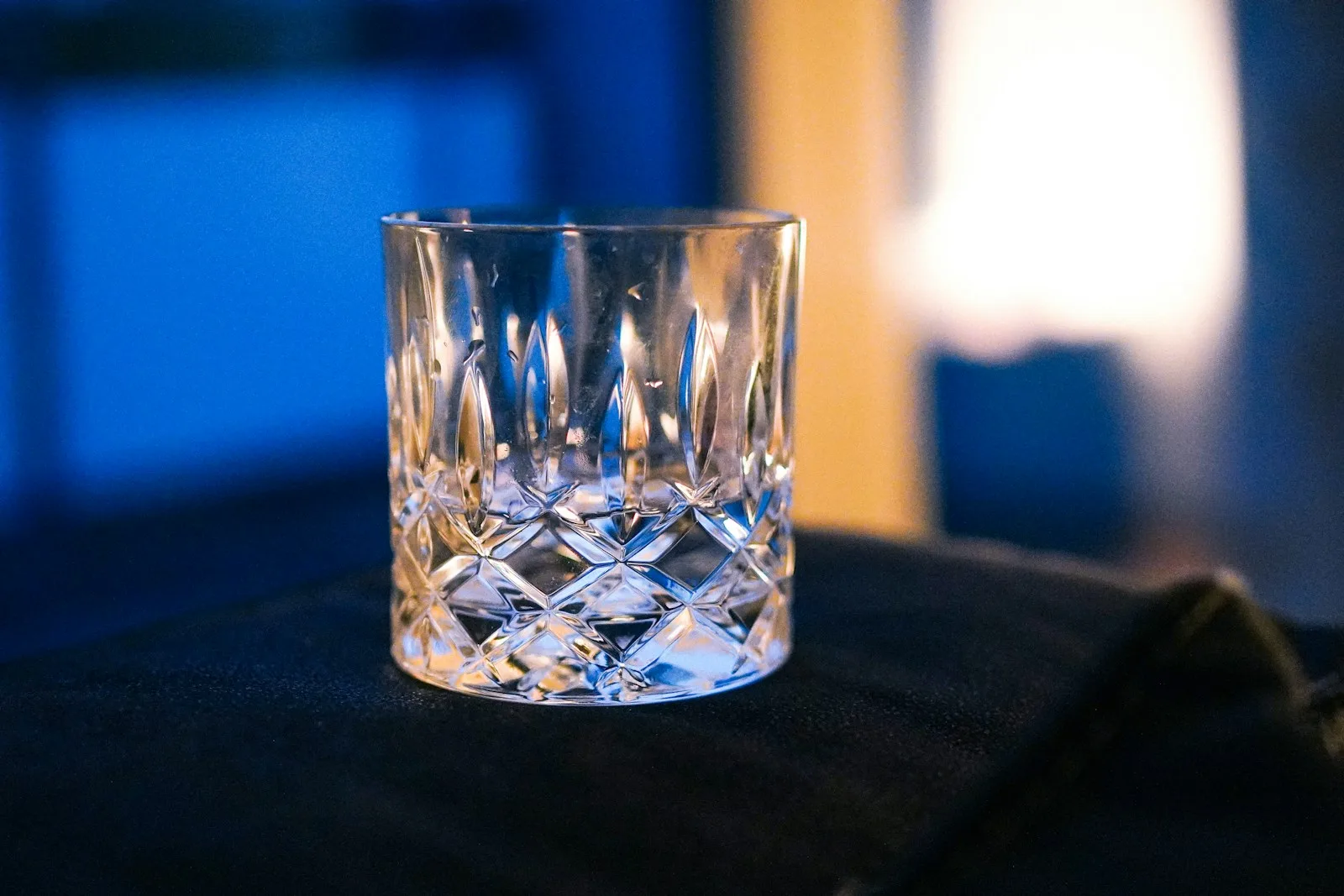
Edo kiriko glass cutting
Cut a pattern into your own glass under the eye of a kiriko artisan in the old Sumida workshops.
Heritage & Craft
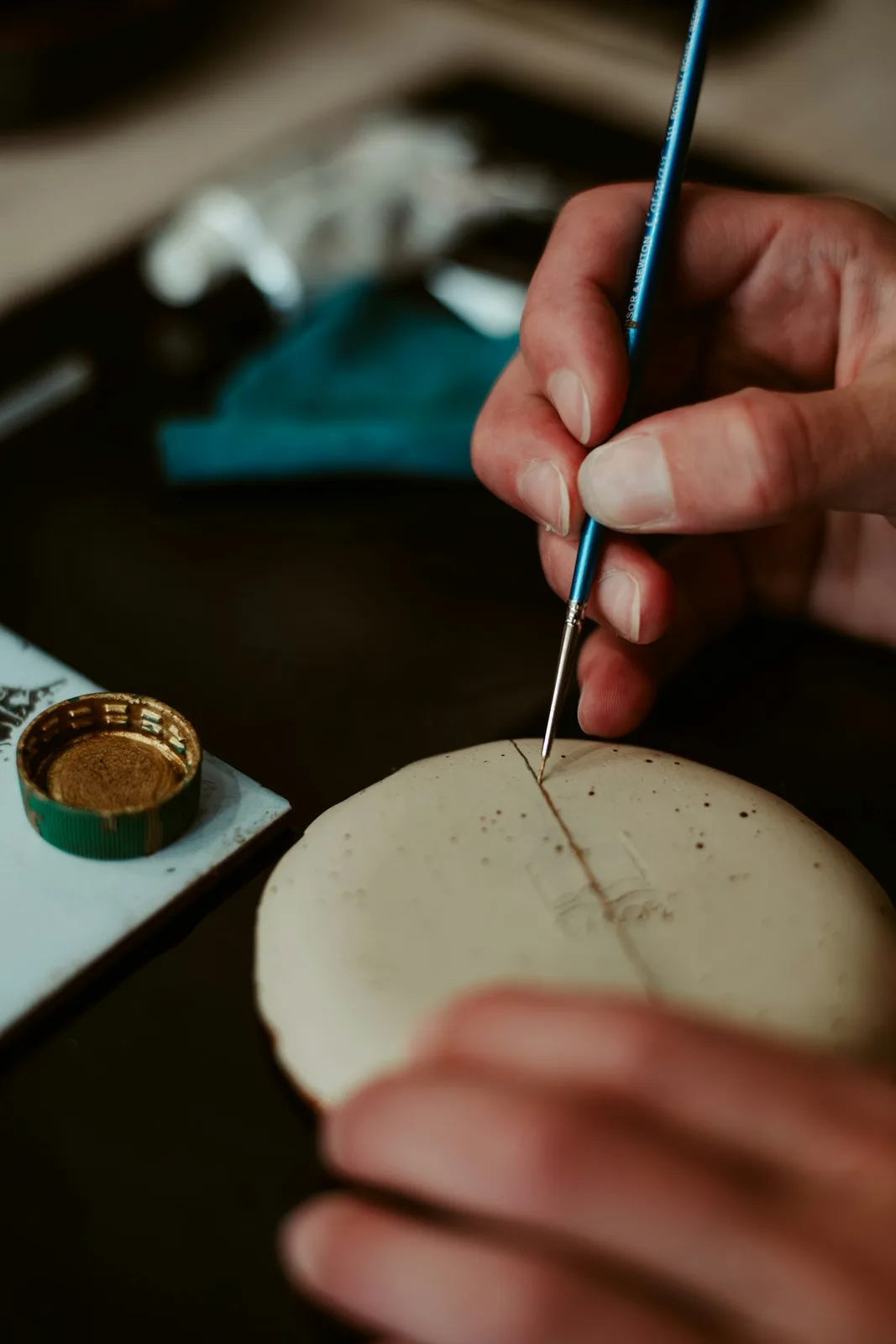
Kintsugi with a lacquer artist
Mend a broken plate with urushi and gold at Hariyo Urushi, a Tokyo lacquer house since the Edo period.
Heritage & Craft
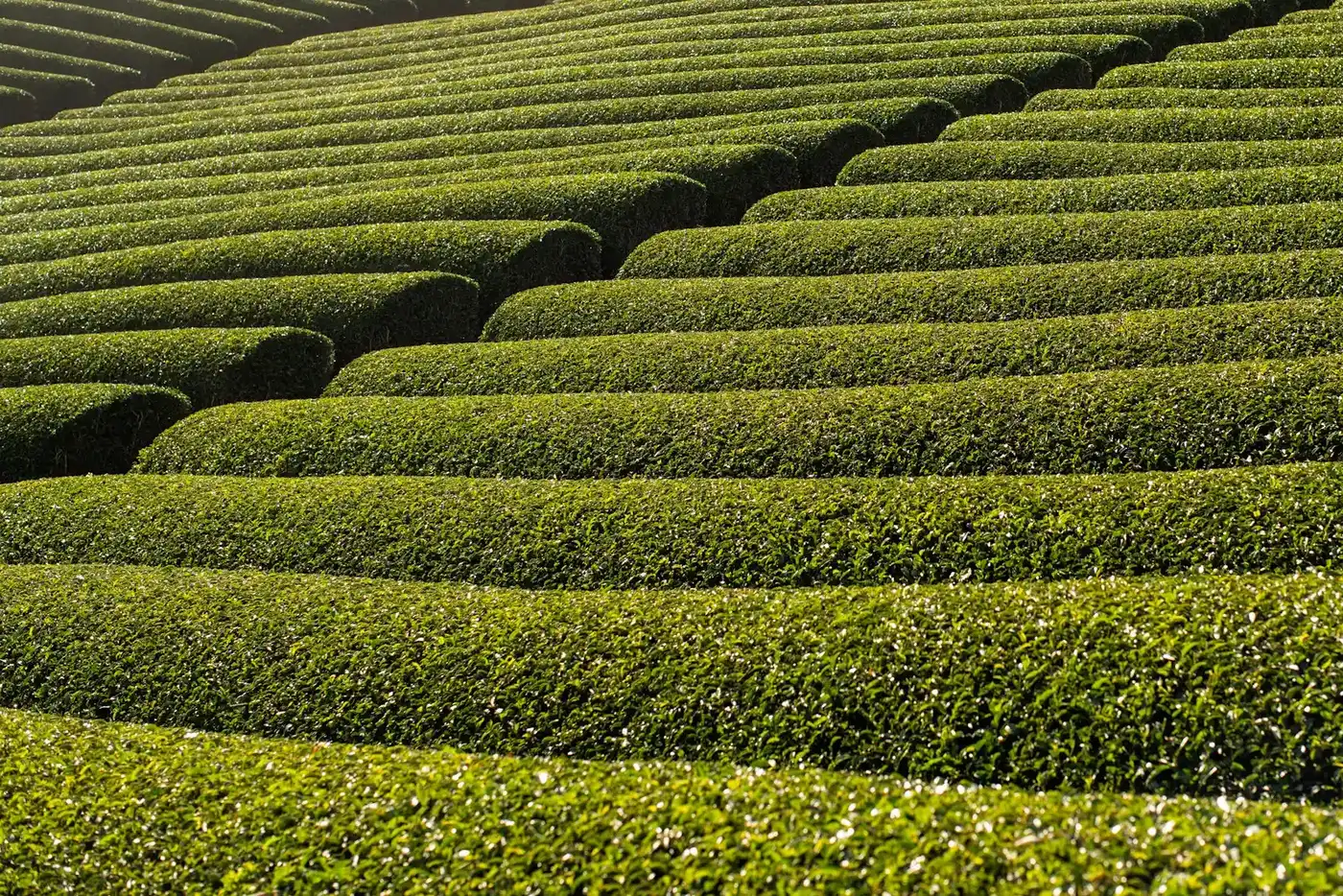
A day in the tea fields
Walk the terraced fields of Wazuka with a family of growers, then taste this year's leaf in their kitchen.